If you've never crossed into Tijuana for dental care, the unknown can feel bigger than it is. The reality is that a first visit is remarkably smooth — Tijuana clinics have welcomed U.S. and Canadian patients for generations, and the whole experience is built around making it easy, with English-speaking staff and border pickup taking most of the friction out. Here's exactly what to expect, step by step, from the moment you leave home to the moment you head back.
Before you go: a little planning
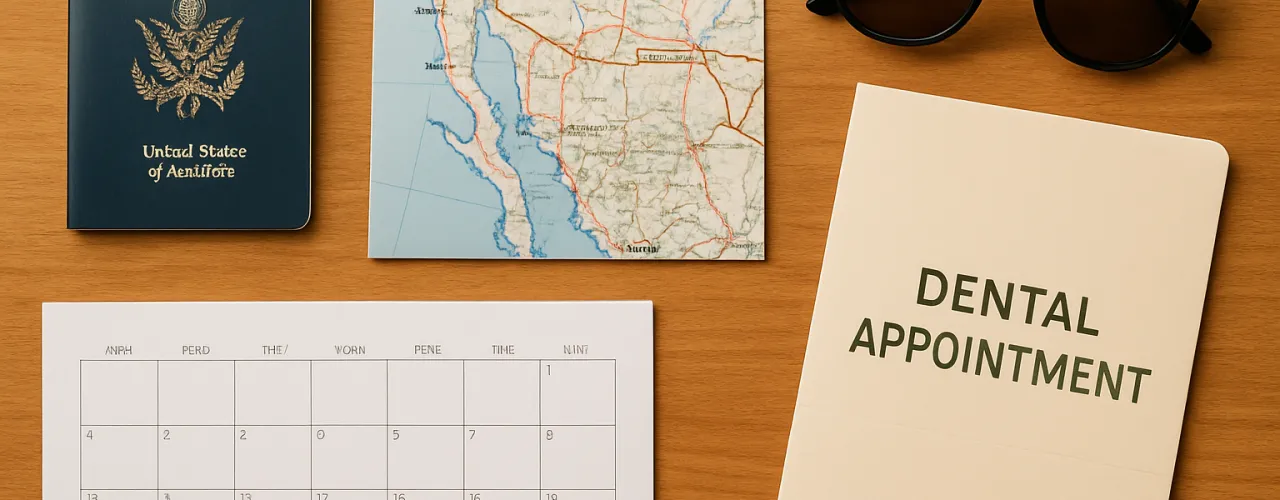
Book a consultation in advance with a clinic you've researched (see how to choose using our Tijuana clinic ranking). Bring your passport or passport card, any recent X-rays or dental records, a list of medications, and a payment method. Aim for a weekday morning, and ask whether the clinic offers border pickup so you don't have to drive across.
Step 1: Crossing the border
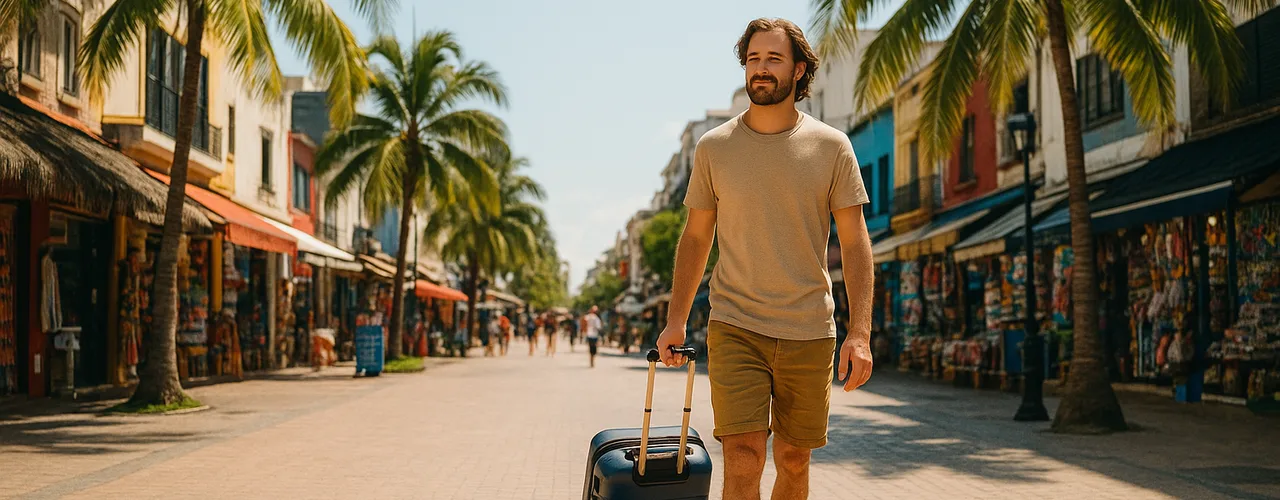
Most patients cross at San Ysidro from San Diego — the world's busiest land crossing — or use the CBX pedestrian bridge directly from Tijuana's airport. If your clinic offers pickup, a driver meets you on the U.S. side and takes you the rest of the way, so you never drive in Mexico. Walking across at San Ysidro is also common; the clinic district is a short ride away. Crossings are usually quick northbound in the morning and slower in peak afternoons, so plan accordingly.
Step 2: Arriving at the clinic
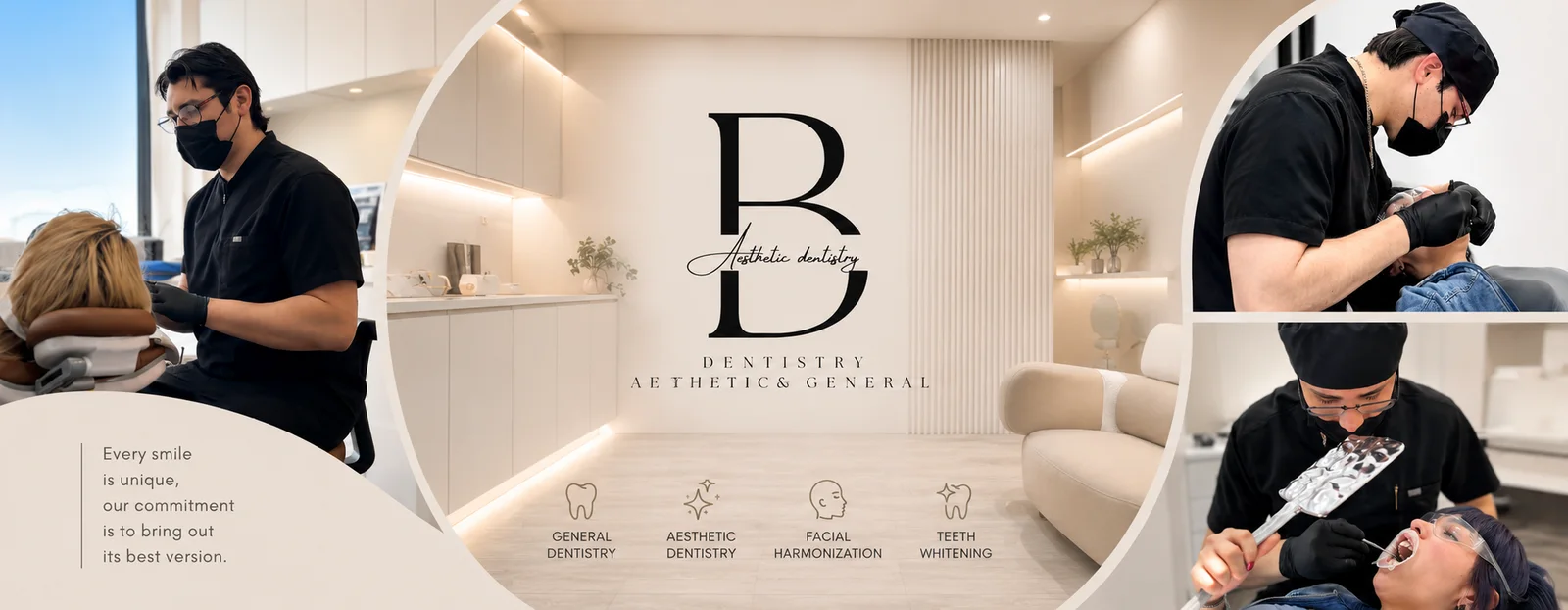
Reception is almost always English-speaking and used to international patients. You'll complete a short medical-history form, and because Tijuana clinics handle a steady flow of cross-border patients, the process is efficient and familiar. Many clinics feel indistinguishable from a modern U.S. office.
Step 3: The consultation and exam
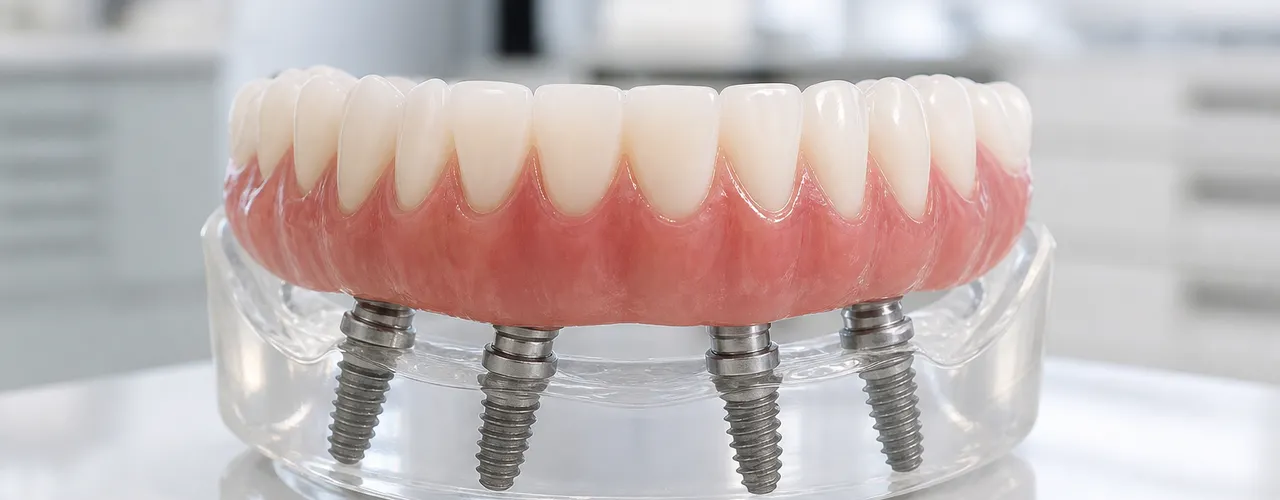
A good first visit starts with diagnosis, not a sales pitch. Expect an examination and, for anything beyond a cleaning, X-rays — and a panoramic or 3D (CBCT) scan for implants or full-mouth cases. The dentist reviews your concerns, checks your teeth and gums, and explains what they find. If a clinic wants to start treatment without imaging, that's a red flag.
Step 4: Your treatment plan and quote
Next comes a clear, written treatment plan: the recommended procedures, the materials and brands, the number of visits, and an itemized, all-in price. This is the moment to ask questions — about the implant brand, whether a crown is better than a filling, or the crown that follows a root canal. Take your written quote, and don't hesitate to compare it with a second clinic on your shortlist.
Step 5: Treatment that same day (often)
A lot can happen in a single visit. Cleanings, fillings, extractions and many crowns (thanks to in-house CAD/CAM labs) are routinely completed the same day. Implants and full-mouth work are staged over more than one trip, but you'll usually leave your first visit with treatment already underway.
Step 6: Paying and heading home
Most clinics accept U.S. dollars, and many take cards (sometimes with a small fee). Always get an itemized receipt for your records and any insurance reimbursement. Then you cross back to San Diego — your clinic's driver will return you to the border if you used pickup. Keep your passport handy for U.S. re-entry, and expect a wait at the crossing during peak afternoons.
Nervous about your first visit?
If anxiety is holding you back, know that Tijuana clinics treat first-timers and nervous patients every day. English-speaking staff explain each step, modern clinics feel familiar and professional, and the most common reaction after a first visit is relief that it was easier than expected. Mention any anxiety when you book; many clinics offer extra comfort options.
How long does the whole day take?
For most first visits, plan on a relaxed half-day once you account for the crossing. If you use border pickup, the driver handles the logistics; the consultation and X-rays take roughly 30-45 minutes, and same-day treatment such as a cleaning, filling or crown adds anywhere from an hour to a few hours depending on the work. Many day-trippers are back across in San Diego by mid-afternoon. The main variable is the northbound border wait, which is shortest on weekday mornings and longest on peak afternoons and weekends — so start early and don't schedule the rest of your day too tightly. If a lab crown or more involved treatment is planned, simply allow extra time, or stay a night on either side of the border and finish the next morning. Building in a little buffer turns a potentially rushed day into an easy one.
What if I need to come back?
For crowns that need a lab day, or implants that heal over months, you'll return for a second visit. Because Tijuana is a quick crossing from San Diego, that return is easy to plan. For the big picture, read our Tijuana dentists guide and learn why Tijuana is a top dental destination.
Frequently asked questions
What should I bring to my first dental visit in Tijuana?
Your passport or passport card, any recent X-rays or dental records, a list of medications, and a payment method. Booking your consultation ahead and arranging border pickup make the visit smoother.
How do I cross the border for a Tijuana dental appointment?
Cross at San Ysidro from San Diego, use the CBX bridge from Tijuana's airport, or take advantage of clinic border pickup so you don't drive in Mexico. Travel on a weekday morning to minimize waits.
Will the dentist and staff speak English?
Yes — Tijuana clinics are built around U.S. and Canadian patients, and many dentists trained in the U.S. English is spoken fluently at the great majority of clinics.
Can I get treatment on my first visit?
Often, yes. Cleanings, fillings, extractions and many crowns are done the same day. Implants and full-mouth restorations are staged across more than one visit.
How long will I wait at the border?
It varies. Northbound crossings back into the U.S. are usually quicker in the morning and slower in peak afternoons. Build in a buffer, and consider a weekday rather than a weekend.
Frequently Asked Questions
How do I cross the border from San Ysidro to Tijuana for a dental appointment?
What should I bring to my first dental visit in Tijuana?
Will the dentist speak English in Tijuana?
How long does a typical first dental visit in Tijuana take?
Can I pay with a credit card at Tijuana dental clinics?
Is it safe to get dental work in Tijuana?
Questions this page answers
- what to expect first dental visit Tijuana
- how to cross San Ysidro for dentist
- Tijuana dental appointment step by step
- first time going to dentist in Mexico
- dental treatment plan Tijuana Mexico
- paying for dental work in Tijuana
- Tijuana dentist near San Ysidro border
- dental tourism Tijuana for beginners
- what happens at a Tijuana dental clinic
- returning from Tijuana after dental visit