The routes, in one paragraph
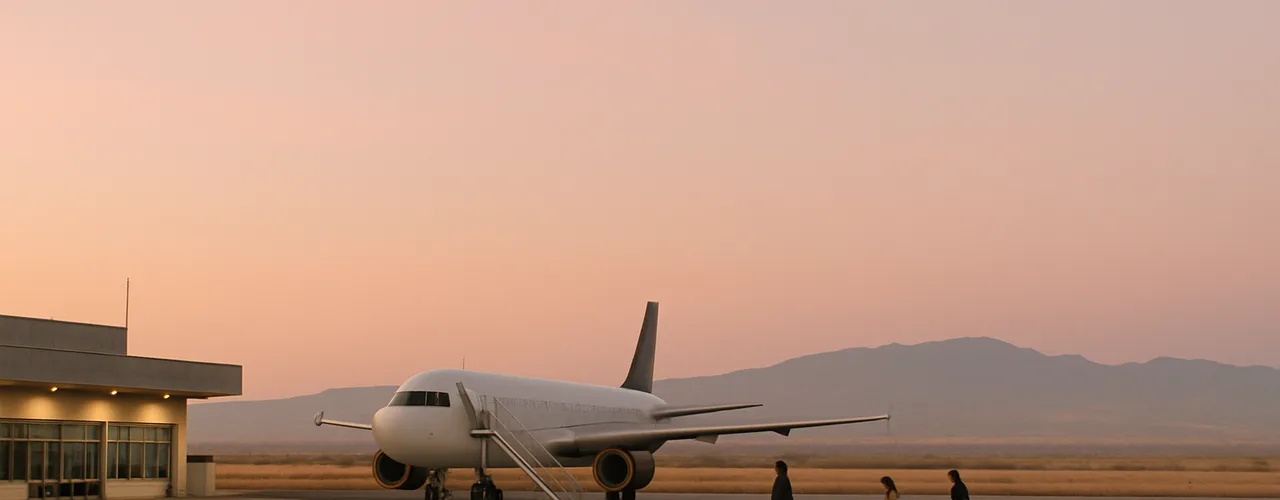
Querétaro International Airport (QRO) has direct flights from Houston, Dallas and Chicago, and the airport is about 30 minutes from the city center. If your home airport does not connect cleanly to one of those three, the standard alternative is flying into Mexico City and covering the remaining distance by road in roughly three hours. Plenty of patients choose the Mexico City route on purpose because fares into a major hub are often cheaper and far more frequent.
There is no season to work around. Querétaro sits in the central Mexican highlands with a dry, temperate climate year round, no hurricane season and no rainy season that would disrupt travel. That is genuinely useful for dental trips, because it means your dates are set by the treatment plan and by airfare, not by weather.
QRO direct or Mexico City plus a drive
Fly into QRO when
- You live near Houston, Dallas or Chicago, or connect easily through them
- You are traveling after surgery and want the shortest door-to-bed time
- You are on a tight appointment schedule with little slack
- You would rather not add a three-hour ground leg at the end of a travel day
Fly into Mexico City when
- Fares to QRO on your dates are unreasonable
- Your home airport has frequent service to a major hub but nothing convenient to QRO
- You want more rebooking options if a flight is cancelled
- You are comfortable arranging ground transport in advance
If you take the Mexico City route, arrange the ground leg before you fly rather than at the curb, and build in far more slack than the raw driving time suggests. Three hours is the road time, not the airport-exit-to-hotel time.
How to schedule around your appointments
The rule that saves the most trips: arrive the day before your first appointment. Not the same morning. A delayed flight on an arrival day with a surgery booked can cost you the whole trip, because the clinic cannot always slide a surgical slot by a day.
Then ask the clinic for the actual appointment calendar in writing before you buy tickets: which days you must be present, which days are free, and how many days of margin they want after the last procedure before you fly home. Do not reverse-engineer the calendar from a price quote. Laboratory turnaround between appointments is what sets the length of a crown or prosthesis trip, and only the clinic knows their lab schedule.
Typical shapes of a trip
- Crown and bridge work: usually one trip of several days, with records or a scan early and delivery a few days later.
- Implants: usually two trips. Placement first, then a healing period your dentist decides, then a return visit for the final restoration.
- Full-arch work: two trips, the first longer and including follow-up days after the surgical appointment.
Two trips means two airfares and two hotel stays. Price the whole plan, not the first ticket, before you decide whether flying makes sense at all.
Booking the return flight
Ask the clinic when it is appropriate to fly after your procedure and do not fix the return date until they answer. Whether flying soon after a given procedure is advisable is a clinical judgment about your case, not a general rule you can read online. Build in at least one buffer day beyond what you think you need, and prefer a changeable fare if the difference is small, because dental trips move more often than beach trips do.
What to bring
- A valid passport, plus whatever entry documentation applies to your nationality. Check your own government's current requirements before you travel; do not rely on a blog.
- Any existing X-rays, scans or dental records you have, digital if possible
- A written list of your medications and doses, and of your allergies
- Your physician's contact information, and clearance if you have a condition that warrants it
- The itemized quote and the written warranty, printed
- Two payment methods, and confirmation of which ones the clinic accepts, in writing
- Comfortable clothes and soft-food tolerance for the days after treatment
On the ground
Thirty minutes from QRO to the center. You will choose between staying downtown, inside the colonial center with restaurants and walkable plazas, or staying near the clinic, which may be in a newer commercial district. If your plan has several appointments across a week, proximity to the clinic usually beats atmosphere. If you have long gaps between visits, the historic center is the better place to sit them out.
Querétaro is a modern industrial city wrapped around a UNESCO World Heritage colonial center, with a large private hospital sector and a reputation as one of the safer cities in Mexico. Practically, expect ride-hailing, chain hotels, reliable connectivity and the ordinary rhythms of a working city rather than a resort strip.
Before you book anything
Have this in writing from the clinic: number of trips, exact days you must be available, what happens if imaging changes the plan, the itemized price, the warranty and your contact person between trips. Then buy tickets. Doing it in the other order is how people end up paying to change flights.
To pick the clinic in the first place, start with the free Molar City ranking for Querétaro. It scores the 161 clinics we track on their public digital footprint, it is algorithmic, and no clinic can pay for its position. It narrows the field; the verification is still yours to do. Molar City has been publishing since 2007 as an independent dental tourism directory. We are not a dental clinic and we do not practice dentistry.