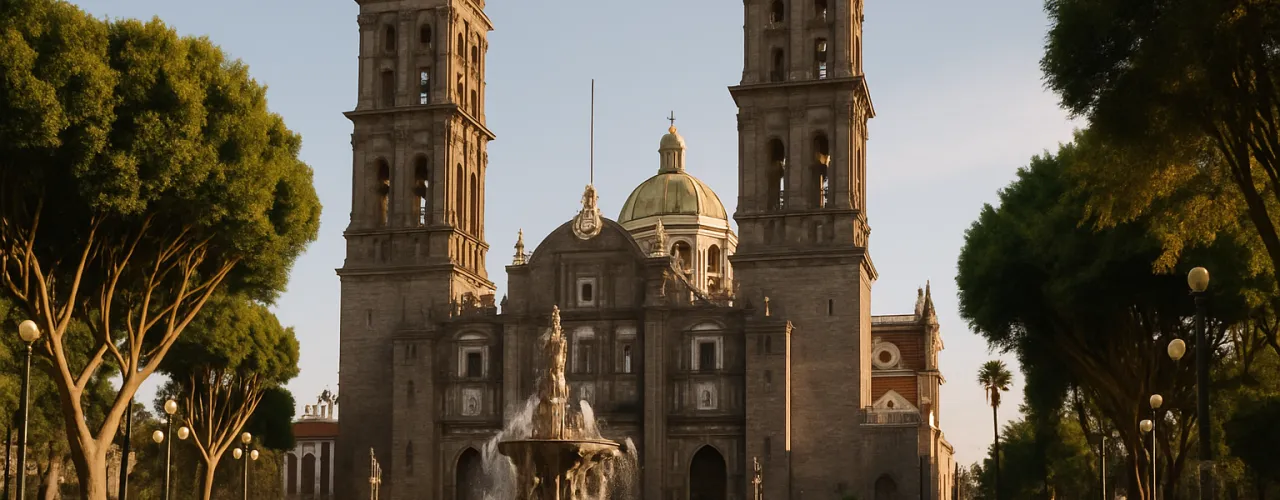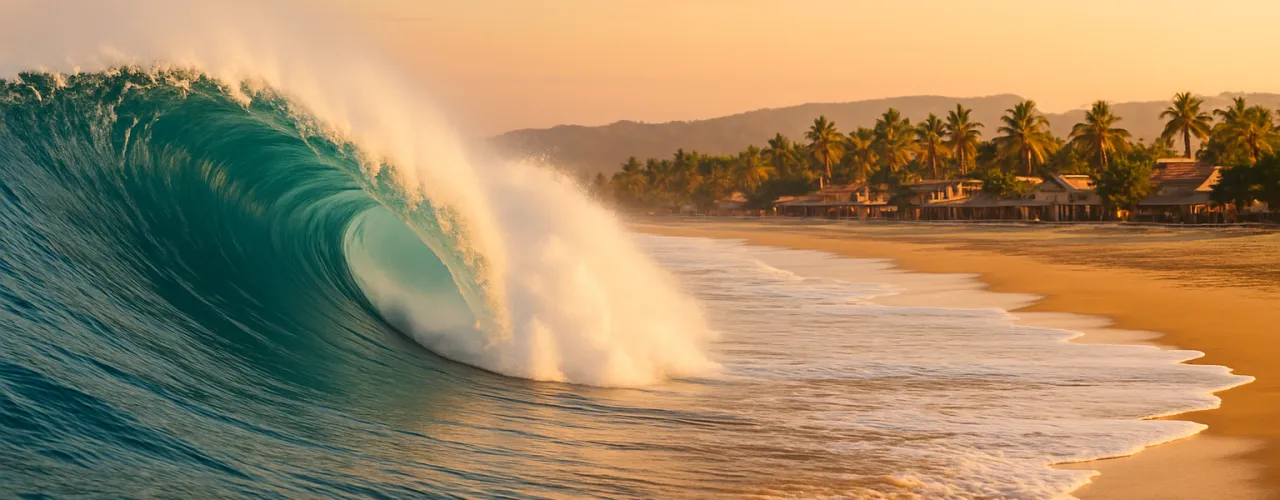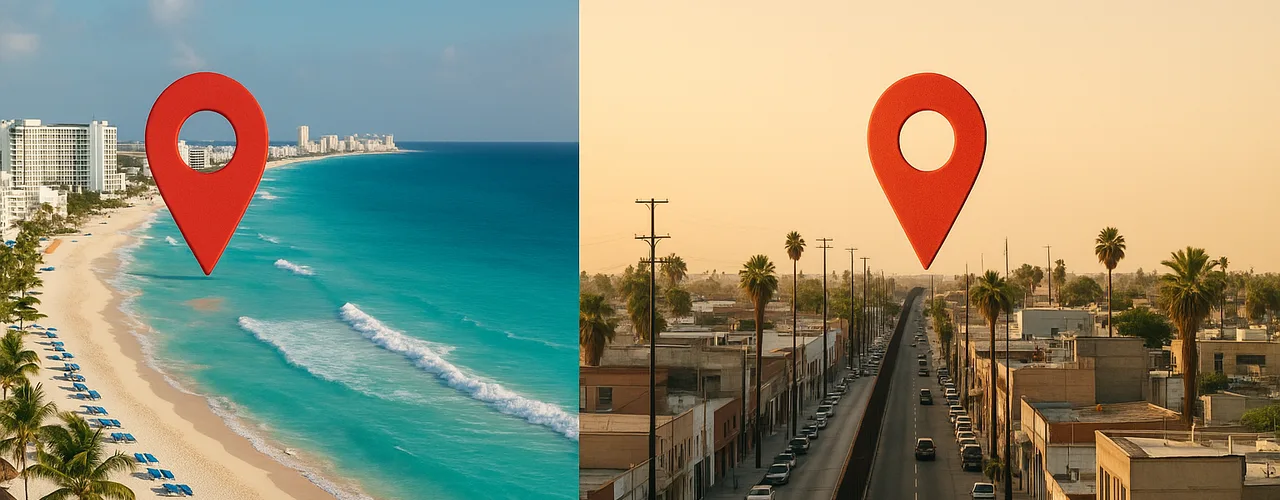
Cancún and Mexicali sit at opposite ends of Mexico and of the dental-tourism spectrum. Cancún is the fly-in Caribbean resort where dental work comes with a vacation; Mexicali is the quiet Baja California border city across from Calexico, built for fast, practical day trips. Both save patients 50-70% versus U.S. prices. The right choice comes down to whether you want a getaway or a quick errand — and where you're starting from. Here's the 2026 comparison.
The quick verdict
Choose Cancún if you want to combine treatment with a Caribbean holiday, you're flying anyway, or you'd enjoy recovering on the beach. Choose Mexicali if you're in the Imperial Valley or eastern Southern California, want the lowest cost and a fast, low-stress crossing at Calexico, and treatment is the only goal. Mexicali is cheaper and quicker; Cancún adds vacation value.
Prices compared
Mexicali sits in Mexico's lowest "border" tier; Cancún, a resort metro, runs slightly higher but still saves you 50-70%. Estimated 2026 ranges:
| Treatment | U.S. typical | Cancún | Mexicali |
|---|---|---|---|
| Single dental implant | $2,500-$5,000 | $850-$1,500 | $750-$1,300 |
| Porcelain crown | $1,200-$1,800 | $300-$550 | $250-$450 |
| Porcelain veneer | $1,500-$2,500 | $350-$600 | $300-$500 |
| All-on-4 (per arch) | $20,000-$30,000 | $8,000-$13,000 | $7,500-$11,500 |
| Root canal | $1,000-$1,500 | $200-$400 | $150-$320 |
Mexicali edges Cancún on price, but factor in travel: if you'd vacation in Cancún anyway, the gap effectively disappears.
Getting there
Cancún: fly into Cancún International (CUN), with 50+ direct routes from the U.S. and Canada and free clinic airport pickup — 3-4 hours from the East Coast. Mexicali: a quick, low-stress crossing from Calexico, California, far less congested than the big San Diego crossing. For Imperial Valley, Yuma-area and eastern-SoCal patients, Mexicali is a same-day drive; Cancún is a flight for everyone.
The experience
Cancún is a Caribbean resort city where dentistry shares the itinerary with white-sand beaches, cenotes and Mayan ruins. Clinics are fully bilingual, tourist-ready and used to international patients, and many travelers turn a crown or implant consult into a genuine holiday. Mexicali is the practical, less touristy Baja capital — a solid roster of established clinics serving cross-border patients, with a quieter, local feel and generally shorter waits. If recovery in paradise appeals, Cancún wins on experience; if you just want the work done quickly and cheaply close to home, Mexicali is efficient.
Who should choose which
- Cancún: patients combining care with a vacation, East-Coast and Canadian flyers, anyone who wants the Riviera Maya as a backdrop.
- Mexicali: Imperial Valley, Yuma-area and eastern-SoCal patients who want the lowest cost and a quick Calexico crossing.
How many visits will you need?
The procedure drives the timeline. Cleanings, fillings and many crowns are usually one visit; implants and full-mouth work need two trips a few months apart for healing. The contrast is logistics: a Mexicali return is a quick border crossing for desert-region patients, while a second Cancún trip means another flight and a multi-day stay. If your treatment needs two phases, weigh how easily you can return — and remember a midsummer Mexicali trip can be punishingly hot, so timing matters there.
Cost-plus-trip vs pure value
This pairing is really a choice between value and experience. Mexicali offers the lowest sticker price and the fastest turnaround for those who live nearby — cross, treat, and you're home, with no flight or hotel. Cancún costs a little more for the dentistry and adds flights and lodging, but folds your care into a Caribbean holiday you may have wanted anyway, which can make the all-in trip excellent value. Neither is objectively better; it depends on whether the goal is to minimize cost or to turn necessary dental work into a vacation. Many patients near the California border choose Mexicali for routine needs and save Cancún for a trip they were planning regardless.
The honest verdict
If pure cost and speed matter most and you're near the eastern California border, Mexicali is the practical pick. If you value the trip itself — sun, beach, a real getaway — Cancún turns necessary dental work into a holiday for a small premium. Compare clinics with our rankings for Cancún and Mexicali, and read the guides for Cancún and Mexicali.
Frequently Asked Questions
Is Cancún or Mexicali cheaper for dental work?
How long do I need in each place?
Are the clinics as good in Mexicali as in Cancún?
Which is better for a dental vacation?
How do I reach each city?
When should I avoid Mexicali?
Can I get implants in either city?
Questions this page answers
- cancun vs mexicali for dental work
- mexicali or cancun dentist
- dental prices cancun vs mexicali
- mexicali dental tourism
- california border dentist vs cancun
- which mexican city for dental implants
- dental vacation or border trip mexico
- mexicali border crossing dental work
- fly or drive for a mexican dentist
- is a cancun dental trip worth it