Crowns and veneers are not the same thing
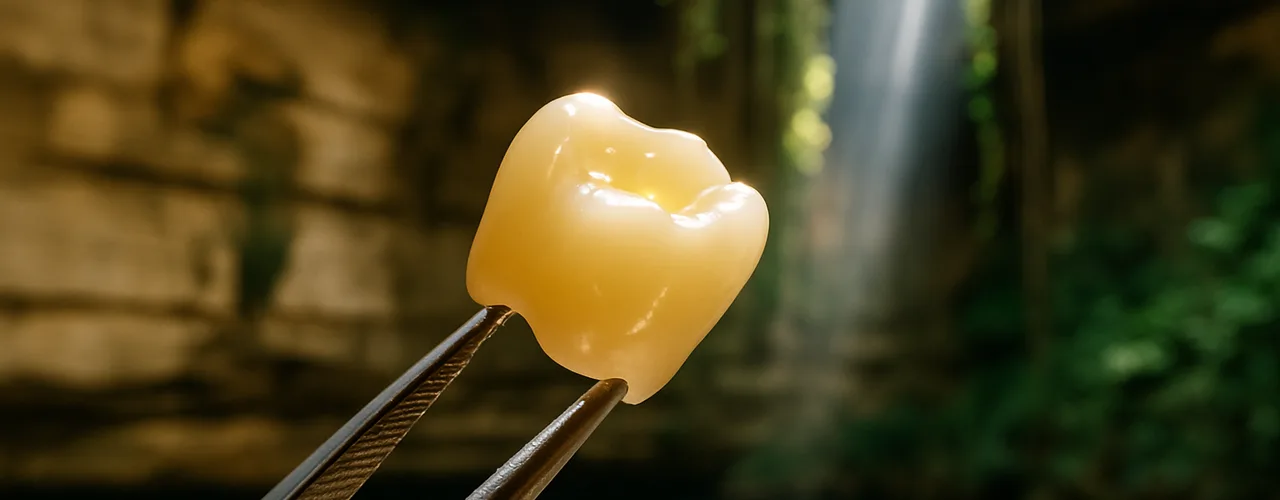
People use the words interchangeably and they should not. A crown covers the whole tooth and is a structural repair: it exists because the tooth is broken, heavily filled, root-treated or otherwise too weak to carry on alone. A veneer is a thin facing bonded to the front of a tooth, and it is cosmetic: it changes shape, colour or alignment on a tooth that is fundamentally sound.
In Tulum, estimated ranges are $300 to $550 USD for a zirconia crown and $350 to $600 for a porcelain veneer. Those are published estimates that the clinic confirms after examining you.
Why this is the work Tulum suits best
Molar City tracks 24 clinics here, which is a small market for implant surgery but a perfectly good one for restorative and cosmetic work. Crowns and veneers also have a practical advantage for a visitor: much of it can be done inside a single stay, with no healing window that forces a second trip months later.
If you are in Tulum for a week anyway, this is the category of treatment that fits your trip instead of defining it.
What fits in one visit
- A single crown on an existing tooth: commonly two appointments a few days apart, or one if the clinic mills the crown on site.
- A small set of veneers: preparation, try-in and bonding across several days.
- A crown after a root canal: possible in one stay if the endodontic work goes smoothly, though it is a longer schedule.
What does not fit in one visit is anything on an implant, because the implant needs months to integrate before it can carry a crown.
Materials, and why they matter
- Monolithic zirconia. Strong, good for back teeth and for people who grind. Less translucent than layered options.
- Layered zirconia. Better aesthetics on front teeth, slightly more fragile at the layered surface.
- Lithium disilicate (e.max). Common for veneers and front crowns. Excellent aesthetics, needs enough remaining tooth structure.
- Porcelain-fused-to-metal. Older technology, cheaper, can show a dark line at the gum over time.
Ask which one you are being quoted for, by name. The price difference between materials is real and so is the difference in how the result looks in five years.
The questions that decide the outcome
- How much tooth will be removed? Veneers vary enormously in how much enamel they take. Once enamel is gone it does not come back, and the tooth will need a veneer or crown for the rest of your life.
- Will I see a try-in before it is bonded? For anything in the smile zone, the answer should be yes.
- Who makes the restoration? An in-house lab, a local lab or a mill in the clinic. Each has trade-offs in speed and control.
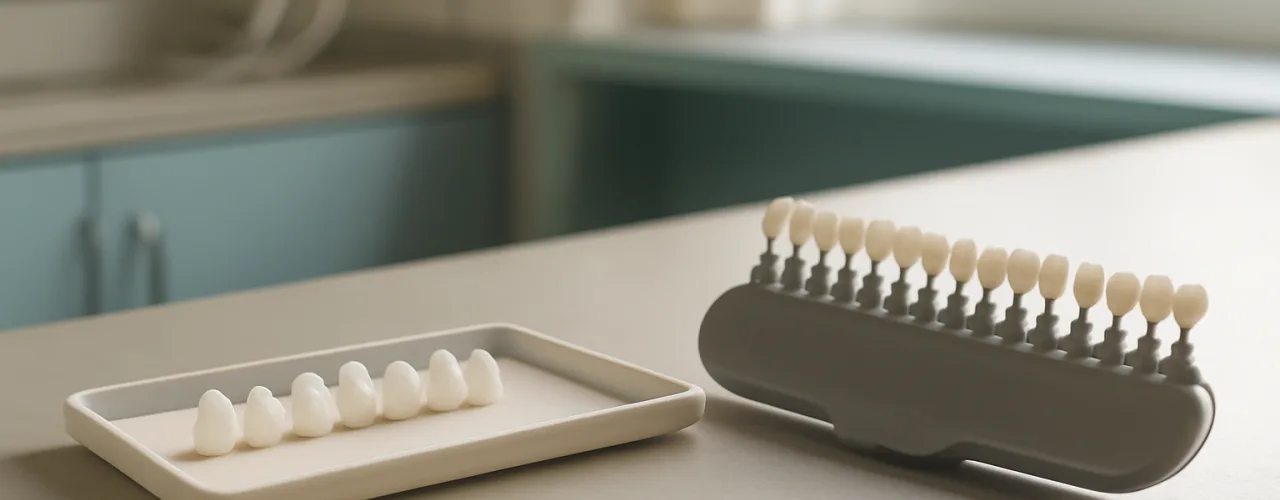
- What is the shade plan? Shade should be chosen in daylight, with you awake and your existing teeth as the reference, not from a catalogue.
- What happens if it chips at home? Ask before, not after.
When to slow down
Cosmetic dentistry on holiday has an obvious failure mode: deciding in an unfamiliar place, on a compressed schedule, to change something permanent about your face. A full set of veneers is not a souvenir. If a clinic proposes preparing eight or ten front teeth after a short consultation, that is a moment to pause, get the plan in writing and think about it somewhere other than the chair.
Structural work on a broken or aching tooth is different. That is a repair, and doing it promptly is usually right.
Choosing a clinic
Molar City publishes a free ranking of all 24 Tulum clinics, scored algorithmically on each clinic's public digital footprint, with no way for a clinic to pay for position. Use it for a shortlist, then verify: written itemised plan, material by brand name, who handles a problem after you leave, and the treating dentist's credentials. For a wider choice of cosmetic specialists, Playa del Carmen is an hour north with 107 clinics. Travel details for Tulum are in the city guide.
What Molar City is, and is not
Molar City has been an independent dental tourism directory since 2007. We are not a dental clinic and we do not practise dentistry. Whether a crown or a veneer is right for your tooth is a clinical judgement that belongs to the licensed dentist who examines you.