Why residents have the better deal
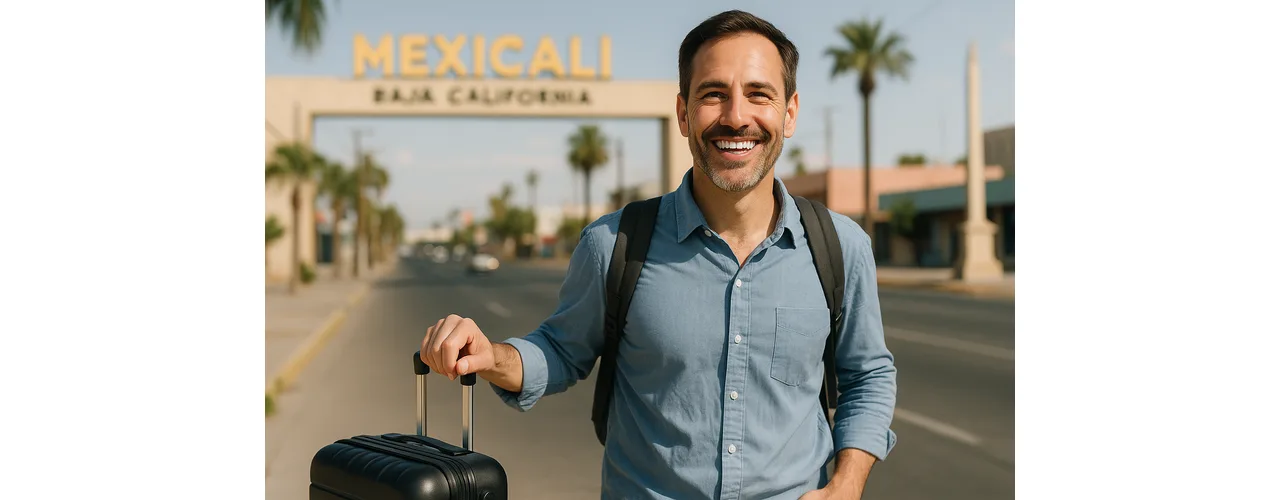
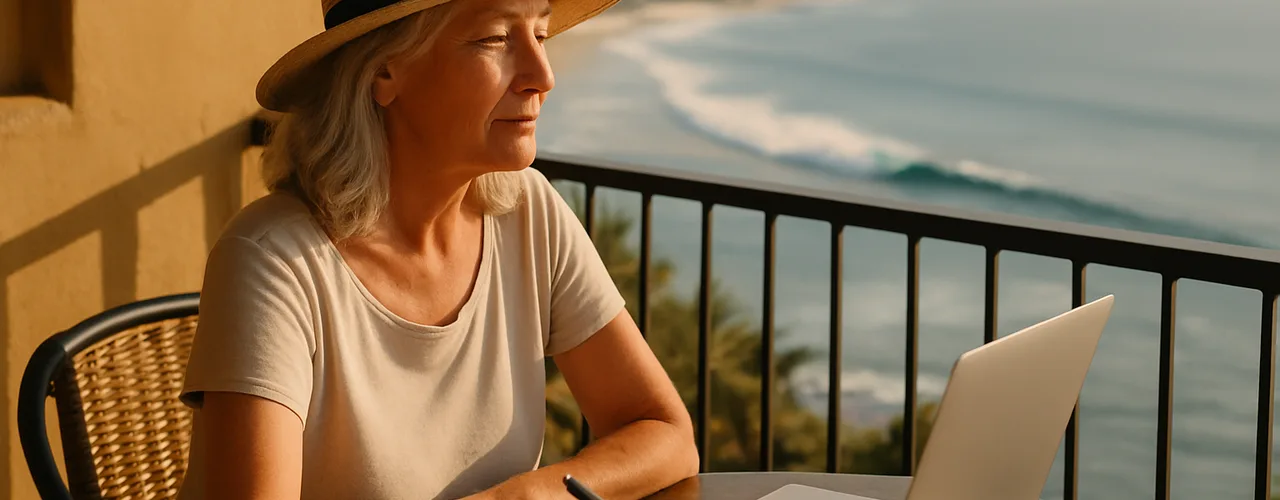
Almost everything written about dental tourism assumes you are flying in. If you live in Puerto Escondido for part or all of the year, the calculation inverts entirely, and in your favour.
- No travel cost. The saving on treatment is the whole saving, not what is left after flights and lodging.
- No compressed timeline. Implants need months of healing between stages. A visitor squeezes that into two trips. You just book the next appointment.
- Follow-up is trivial. The biggest structural risk of dental tourism is that a problem appears after you go home. If home is fifteen minutes away, that risk mostly disappears.
- You can build a relationship. A dentist who has seen your mouth over three years makes better decisions than one meeting you for the first time with a flight to catch.
Molar City tracks 76 dental clinics here, which is unusual density for a town this size and a direct result of how many foreigners now live here year-round.
Choosing a dentist you will keep
Choosing for the long term is a different exercise from choosing for one procedure.
- Start with a cleaning, not a big case. A routine appointment tells you about punctuality, sterilisation, communication and whether you are comfortable, at low cost and low risk.
- Ask what they refer out. No small-town clinic does everything. A dentist who says plainly "for that I send you to a specialist in Oaxaca City" is showing judgement, not weakness.
- Check the ranking, then the community. Use the free clinic ranking to see the whole market, then ask people who have lived here for years. Both sources together are better than either alone.
- Confirm records are kept and shareable. If you ever need a specialist inland or treatment back in your home country, portable imaging and notes matter.
What to handle here, and what to take inland
Well suited locally: cleanings and hygiene, fillings, crowns, veneers, root canals, extractions, straightforward implants and ongoing monitoring.
Worth a trip to a larger market: complex full-arch reconstruction, advanced periodontal surgery, orthognathic work, and anything needing a multi-specialist team. Oaxaca City has 189 clinics and is a short flight or a mountain drive away. This is not a criticism of local dentistry: it is what market size means anywhere in the world.
Bringing your records with you
People who move here often arrive with years of dental history in another country and no way for a local dentist to see it. That is worth fixing early, while nothing hurts.
- Request digital copies of your X-rays from your previous dentist before you need them. Most will send them as files on request; the same request is much harder to make once you have moved and changed phone numbers.
- Keep a one-page summary of significant work: root canals, implants and their brand, crowns and when they were placed, extractions, and any complication you have had with anaesthesia.
- List your medications and allergies and keep it with the summary. Blood thinners and bisphosphonates in particular change how a dentist approaches surgery.
- Store it somewhere you can reach from a phone. A folder in the cloud beats a drawer in another country.
A new dentist starting with that information makes better decisions from the first appointment, and it saves you paying for imaging that already exists.
Practical notes for long-stay residents
- Costs. Local ranges are $300 to $550 for a zirconia crown, $350 to $600 for a veneer, $200 to $400 for a root canal and $850 to $1,500 for an implant. Published ranges, confirmed by the clinic after an exam.
- Insurance. Most foreign plans do not pay Mexican providers directly. Ask for itemised invoices every time and keep them; some insurers reimburse afterwards.
- Emergencies. Find out now, while nothing hurts, what your clinic does out of hours and where the nearest hospital is. A Sunday toothache is a bad time to start researching.
- Season. The town fills between November and April. If you want a particular dentist in high season, book further ahead than you would in July.
Do I need Mexican insurance for dental care?
Not usually. Routine dental costs here are low enough that most residents pay out of pocket and keep invoices in case their home insurer reimburses part of it. Ask your own insurer what documentation they require.
Can I get implants done locally if I live here?
Often yes, and residents are the ideal implant patients because the healing months are simply time rather than a second trip. Confirm which clinics actually place implants and who performs the surgery, since not every practice here does.
What if I need a specialist the town does not have?
Oaxaca City is the usual referral, with 189 clinics and a deeper specialist bench, reachable by a short flight or a drive through the sierra. A good local dentist will tell you when that is the right call.
What Molar City is, and is not
Molar City has been an independent dental tourism directory since 2007. We are not a dental clinic and we do not practice dentistry. We publish the free ranking referenced above and the practical information around it; treatment decisions stay between you and the licensed dentist who examines you.