You've seen the social media posts: perfect white smiles from Turkey for a fraction of the US price. But behind the glossy ads, many patients return with 'Turkey teeth' that are painful, poorly fitted, or even infected. The risks are real—aggressive tooth reduction, substandard materials, and zero follow-up care. This guide reveals what nobody advertises and how to protect yourself while still saving thousands.
What Exactly Are 'Turkey Teeth'?
'Turkey teeth' is a slang term for the all-inclusive cosmetic dentistry packages offered in Istanbul, Turkey—the world's leading hub for affordable smile makeovers. These packages typically include porcelain veneers, zirconia crowns, or full-mouth reconstructions. The appeal is obvious: a Hollywood smile in one trip for an estimated $4,000–$12,000 USD (final plan set after in-person exam/CT scan), compared to $20,000–$50,000+ in the US or Canada. But the low price often comes with shortcuts.
What Are the Most Common Complications with Dental Work in Turkey?
Patients who choose poorly vetted clinics frequently face these issues:
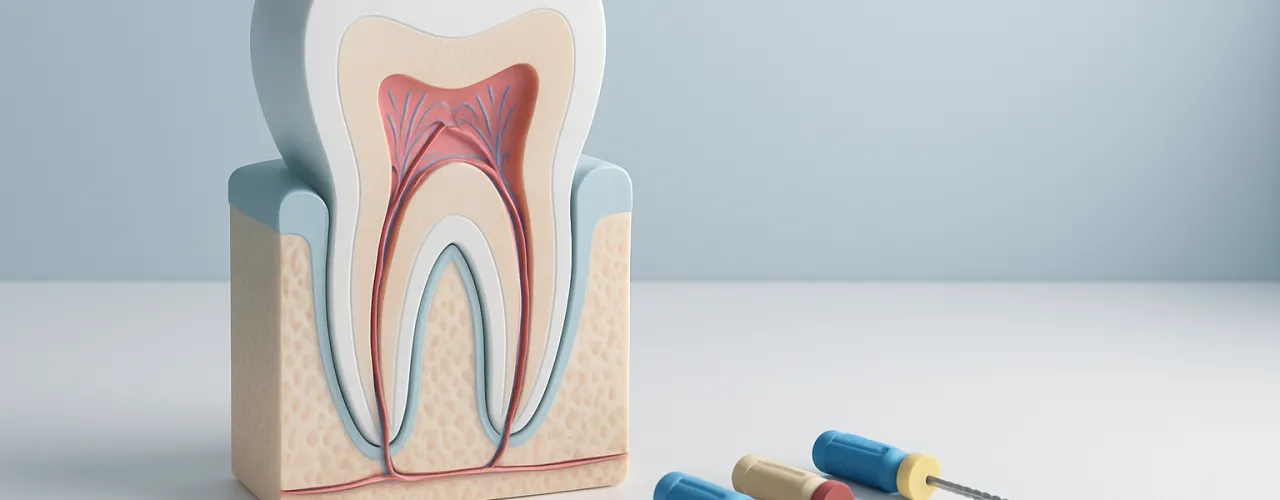
- Aggressive tooth reduction: Some dentists file down healthy teeth to nubs to fit cheap crowns, leading to nerve damage, sensitivity, or root canals later.
- Poor fit and leaks: Ill-fitting crowns or veneers trap bacteria, causing decay, gum disease, and bad breath.
- Substandard materials: Low-cost labs may use inferior ceramics that chip, stain, or break within months.
- Infection and implant failure: Non-sterile conditions or rushed procedures can lead to peri-implantitis or bone loss.
- Bite problems: Incorrect occlusion (bite alignment) causes jaw pain, headaches, and cracked teeth.
- No warranty or aftercare: Many clinics offer no follow-up; if something goes wrong after you return home, you're stuck paying a US dentist to fix it.
Why Do So Many 'Turkey Teeth' Smiles Go Wrong?
The root causes are simple: lack of regulation, price-driven competition, and inadequate patient screening. Some Istanbul clinics churn out 10+ smile makeovers per day, using aggressive sales tactics and minimal diagnostics. They skip essential steps like digital smile design, wax-ups, or trial smiles. Without a proper exam and CT scan, they can't assess bone density, gum health, or underlying issues. The result? A smile that looks good on Instagram but fails clinically.
How Can You Avoid Becoming a Horror Story?
Follow these five rules to get safe, high-quality care in Istanbul:
1. Choose a Verified Clinic with Transparent Pricing
Don't fall for the cheapest quote. Use an independent platform like verified dentists in Istanbul that ranks clinics based on credentials, patient reviews, and material quality. Molar City lists only clinics that meet strict standards—and we do it for free, so you get unbiased information.
2. Demand a Comprehensive Exam Before Any Work
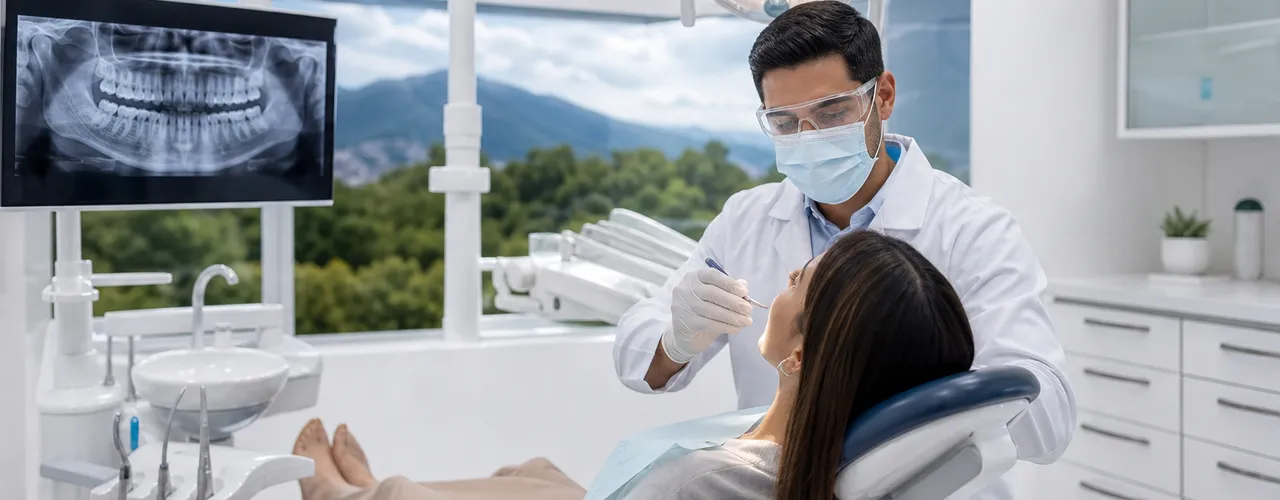
Any reputable dentist will require an in-person exam and 3D CT scan before creating your treatment plan. Avoid clinics that offer a fixed price over WhatsApp without seeing your mouth. The final plan should be set after the exam—expect to pay an estimated $200–$500 for diagnostics (often credited toward treatment).
3. Insist on Minimal Tooth Preparation
For veneers, ask about 'no-prep' or 'minimal prep' techniques. Healthy enamel should be preserved. If a clinic recommends crowns on all front teeth, get a second opinion. Aggressive reduction is a red flag.
4. Verify Materials and Lab Quality
Ask for the brand of porcelain or zirconia (e.g., Ivoclar, Dentsply Sirona). Reputable clinics use certified labs with warranties. Avoid clinics that can't name the materials or labs.
5. Get a Written Warranty and Aftercare Plan
A good clinic offers at least a 2-year warranty on materials and workmanship. They should also provide a detailed aftercare plan, including how to handle emergencies remotely. Some even arrange a follow-up visit or partner with a local dentist in your home country.
What Should You Do If You Already Have Problematic 'Turkey Teeth'?
If you're suffering from pain, infection, or broken restorations, see a trusted dentist in the US or Canada immediately. They can assess the damage and recommend repairs—often involving removing and replacing faulty crowns or veneers. The cost to fix botched work can exceed the original savings, but delaying treatment risks permanent damage. Many patients ultimately pay $10,000–$30,000+ for corrective dentistry. That's why prevention is key.
Conclusion: Smart Planning Beats Cheap Deals
Turkey teeth don't have to be a disaster. By choosing a verified clinic, insisting on proper diagnostics, and understanding the real costs, you can enjoy significant savings without sacrificing safety. Istanbul remains a top destination for cosmetic dentistry—when you do it right. Compare top-rated, independently ranked clinics on Molar City today and get a free, no-obligation quote for your smile makeover.
Frequently Asked Questions
What are 'Turkey teeth'?
What are the main risks of getting veneers in Turkey?
How can I avoid botched dental work abroad?
What should I do if I already have bad veneers from Turkey?
Are there safer alternatives to Turkey for dental work?
Questions this page answers
- what are turkey teeth and why are they bad
- risks of getting veneers in Turkey
- how to avoid botched dental work in Turkey
- signs of a bad veneer job
- what to do if my turkey teeth went wrong
- can turkey teeth be fixed
- is dental tourism in Turkey safe
- why do turkey teeth look fake
- complications of dental veneers abroad
- how to choose a safe dentist abroad