Quick answer: Replacing missing teeth is essential for maintaining oral health, improving appearance, and restoring the ability to eat and speak properly.
Replacing missing teeth is essential for maintaining oral health, improving appearance, and restoring the ability to eat and speak properly. Dentistry offers several solutions, each with its own advantages and considerations. Here, we explore the best ways to replace teeth, focusing on effectiveness, longevity, and overall patient satisfaction.
1. Dental Implants
Dental implants are widely regarded as the best way to replace missing teeth. They consist of a titanium post that is surgically inserted into the jawbone, acting as an artificial tooth root, and a crown that mimics the natural tooth. Implants are strong, durable, and can last a lifetime with proper care. Since they fuse with the bone, they provide a stable and natural feel, making them the closest alternative to real teeth.
- Pros: Longevity, stability, and natural appearance. Implants also prevent bone loss, which can occur after losing a tooth.
- Cons: The initial cost can be high, and the procedure requires a healthy jawbone, which may necessitate bone grafting in some cases.
2. Dental Bridges
A dental bridge is another effective method for replacing one or more missing teeth. It involves placing crowns on the adjacent teeth (abutments) to support the artificial tooth (pontic) in the gap. Bridges can be made from materials like porcelain, ceramic, or metal.
- Pros: Less invasive than implants, quicker procedure, and more affordable.
- Cons: Adjacent teeth need to be filed down, which can weaken them over time. Bridges also do not address bone loss.
3. Dentures
Dentures are a traditional and cost-effective way to replace multiple missing teeth. Available as full or partial dentures, they are removable appliances that fit over the gums.
- Pros: Affordable, non-invasive, and suitable for patients with multiple missing teeth.
- Cons: Less stable than implants or bridges, can slip or cause discomfort, and may require adhesives. They do not prevent bone loss and need periodic adjustments or replacements.
4. All-on-4 Dental Implants
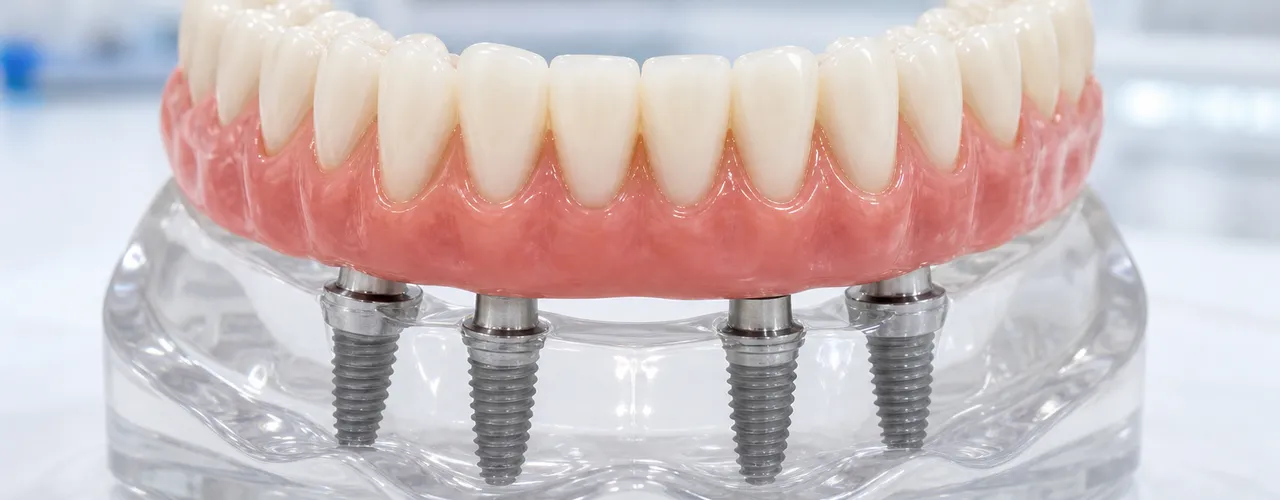
The All-on-4 system is an advanced solution for patients needing full arch replacements. It uses just four strategically placed implants to support a full set of upper or lower teeth.
- Pros: More stable than traditional dentures, cost-effective compared to multiple individual implants, and quicker recovery time.
- Cons: Higher initial cost than dentures, but more affordable than a full set of implants.
The best way to replace teeth depends on your oral health, budget, and personal preferences. Dental implants are often the top choice due to their longevity and natural feel, while bridges and dentures offer more affordable and quicker alternatives. Consulting with a dentist is crucial to finding the solution that best meets your needs and ensures long-term oral health.
Frequently Asked Questions
What are the main options for replacing missing teeth?
The main options are dental implants, bridges, and dentures. Implants are permanent and feel natural, bridges fill gaps using adjacent teeth, and dentures are removable full or partial sets.
Which tooth replacement option is most durable?
Dental implants are the most durable, often lasting a lifetime with proper care. They fuse with the jawbone, providing stability and preventing bone loss.
Is it safe to get teeth replaced in Mexico?
Yes, many dental clinics in Mexico, especially in popular dental tourism destinations like Los Algodones and Tijuana, follow high standards of care and use modern technology. It's important to research and choose a reputable clinic.
How much can I save by getting tooth replacement in Mexico?
Patients typically save 50-70% compared to US prices. For example, a single dental implant in Mexico can cost $1,000-$1,500, while in the US it may be $3,000-$5,000.
Can I get all-on-4 implants in Mexico?
Yes, all-on-4 implants are widely available in Mexican dental clinics. This procedure replaces a full arch of teeth with just four implants, offering a permanent solution at a fraction of US costs.
Questions this page answers
- what is the best way to replace missing teeth
- dental implants vs dentures vs bridges
- cost of replacing teeth in Mexico
- best tooth replacement option for me
- how much do dental implants cost in Los Algodones
- are dentures better than implants
- permanent teeth replacement options
- affordable tooth replacement near Arizona border
- dental bridges vs implants pros and cons
- replace all teeth with implants cost Mexico
Patient Reviews
0 reviews