If you're a US or Canadian patient considering dental tourism in Mexico, you're likely weighing two top destinations: Mexico City (CDMX) and Cancun. Both offer high-quality care at a fraction of US/Canadian prices, but they differ significantly in cost, travel logistics, and overall experience. This guide breaks down the key differences to help you decide which destination fits your needs, budget, and travel style.
How do dental costs compare between Mexico City and Cancun?
Dental prices in both cities are substantially lower than in the US or Canada, but Mexico City tends to be slightly more affordable for complex procedures due to lower overhead. Here are typical price ranges (estimated; final plan set after an in-person exam/CT scan):
- Dental implant (single, with crown): Mexico City: $1,200–$2,000; Cancun: $1,400–$2,500. (US/Canada: $4,000–$6,000)
- All-on-4 implants (per arch): Mexico City: $8,000–$14,000; Cancun: $10,000–$16,000. (US/Canada: $25,000–$40,000)
- Porcelain veneers (per tooth): Mexico City: $400–$700; Cancun: $500–$900. (US/Canada: $1,500–$2,500)
- Root canal (molar): Mexico City: $300–$500; Cancun: $400–$700. (US/Canada: $1,000–$1,500)
- Crown (porcelain-fused-to-metal): Mexico City: $350–$600; Cancun: $450–$800. (US/Canada: $1,200–$2,000)
Mexico City’s lower prices stem from a larger pool of specialists and lower rent. However, Cancun’s clinics often cater directly to tourists and may offer package deals including transfers or hotel stays.
What are the flight and travel differences?
Flights to Mexico City are often cheaper and more frequent from most US/Canadian hubs. For example, a round-trip from New York City to Mexico City can be $250–$400, while Cancun flights from the same origin range $350–$600. From Los Angeles, flights to both cities are similar ($300–$500), but Mexico City has more nonstop options. From Canadian cities (Toronto, Vancouver), Cancun flights are often slightly cheaper and more charter-oriented, but Mexico City offers more schedule flexibility.
Travel time: Mexico City is about 4–5 hours from most US/Canadian cities; Cancun is 3–4 hours from the US East Coast and 4–6 hours from the West Coast. Once there, Mexico City’s airport is a major hub with easy metro/uber access to dental districts (e.g., Polanco, Santa Fe). Cancun’s airport requires a 20-30 minute taxi or shuttle to the hotel zone or downtown.
Which city offers a better overall experience for dental tourists?
Your choice depends on your priorities:
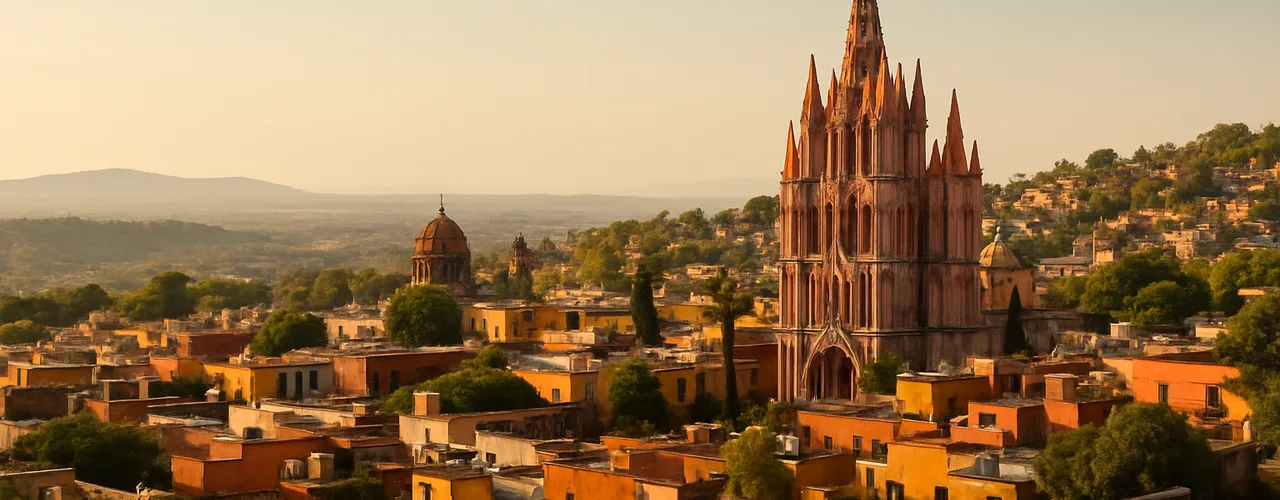
- Mexico City (CDMX): A sprawling metropolis with museums, cuisine, and culture. Ideal if you want to combine dental treatment with a vacation in a vibrant, historic city. Many clinics are located in upscale neighborhoods like Polanco, where you’ll find internationally trained specialists who speak English. The city is safe for tourists in these areas, but you’ll want to stay in well-trafficked zones. Recovery can be more enjoyable with access to high-quality food and entertainment.
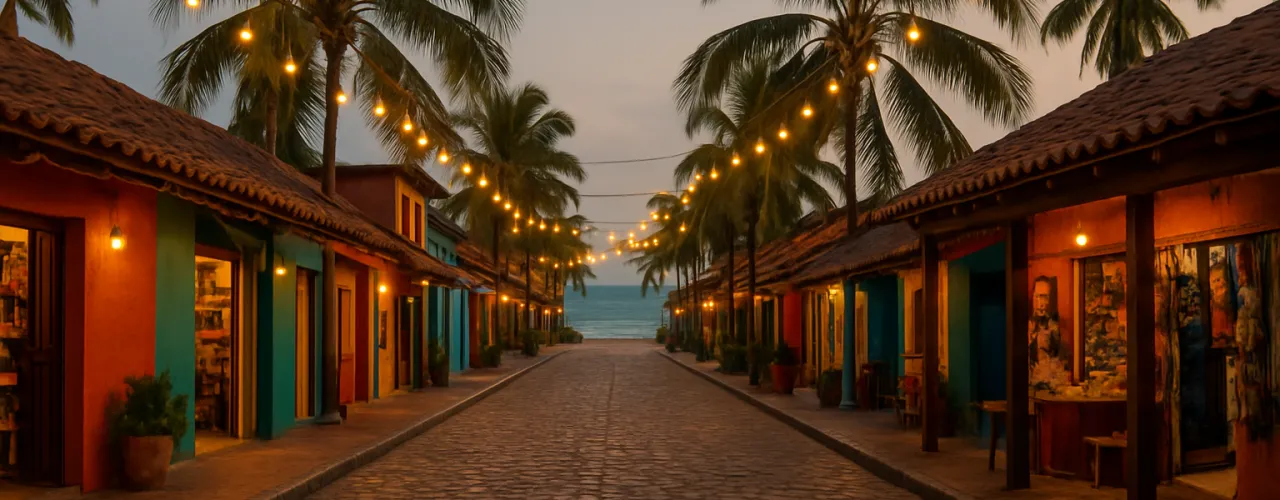
- Cancun: A beach resort destination with a focus on relaxation. Perfect if you want to recover on the beach or enjoy all-inclusive resorts. The hotel zone is safe and tourist-friendly, but you’ll be more isolated from local culture. Dental clinics are often in the hotel zone or downtown, and many offer concierge services to manage your stay.
Both cities have board-certified specialists, but Mexico City is known for its concentration of highly trained prosthodontists and oral surgeons who teach at universities. Cancun’s dentists are also skilled, but the pool is smaller.
How do I choose the right dentist in Mexico City or Cancun?
Regardless of destination, always verify credentials. Look for dentists with certifications from Mexican or international boards (e.g., American Board of Oral Implantology). Read independent reviews—Molar City ranks clinics based on verified patient outcomes and transparency, not paid placements. We help you compare verified dentists in Mexico City and Cancun for free, ensuring you get a shortlist of trusted providers.
Key questions to ask:
- What materials do you use (e.g., Nobel Biocare for implants, Vita for ceramics)?
- Can you provide before/after photos of similar cases?
- What is included in the quoted price (e.g., temporary restorations, follow-ups)?
- Do you have a written guarantee or warranty?
Which city is safer for dental tourism?
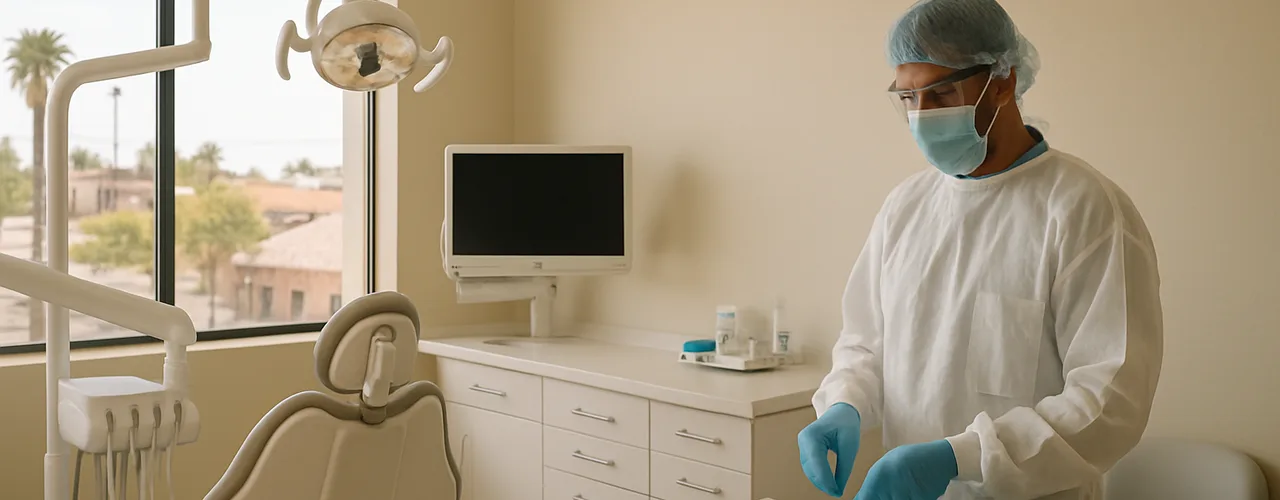
Both are safe for medical tourists when you stay in recommended areas. Mexico City’s Polanco, Condesa, and Santa Fe are affluent and policed. Cancun’s hotel zone is heavily guarded. Avoid walking alone at night in unfamiliar areas in either city. Use Uber or authorized taxis. Most dental clinics are in secure buildings with modern equipment.
Conclusion: Mexico City or Cancun?
Choose Mexico City if you want the lowest prices, the widest choice of specialists, and a cultural city experience. Choose Cancun if you prefer a beachside recovery, all-inclusive convenience, and slightly higher costs but more tourist-oriented services. Either way, you’ll pay less compared to US/Canada prices. Start by browsing independently ranked clinics on Molar City to compare options and read patient reviews—no sign-up required.
Frequently Asked Questions
Is dental work cheaper in Mexico City or Cancun?
Which city has better flight connections for US/Canadian patients?
What is the vibe like in Cancun for dental tourists?
What is the vibe like in Mexico City for dental tourists?
Are dental clinics in Mexico City and Cancun safe for US patients?
Questions this page answers
- how much do dental implants cost in Mexico City vs Cancun
- is it cheaper to get dental work in Mexico City or Cancun
- best dental tourism destination in Mexico for Americans
- dental tourism Cancun vs Mexico City which is better
- flights to Cancun for dental work from US
- flights to Mexico City for dental work from Canada
- what is the vibe like in Cancun for dental tourists
- what is the vibe like in Mexico City for dental tourists
- is dental work in Mexico City safe
- is dental work in Cancun safe
- dental tourism Mexico cost comparison
- best place in Mexico for dental implants