Is Ensenada actually a dental destination?
Yes, and it is far bigger than most people outside Baja imagine. Molar City tracks 160 dental clinics in Ensenada. By our own historical measurements that makes it a larger dental market than Cancun or Monterrey, two cities that get most of the dental tourism coverage. Ensenada gets almost none of it, which is exactly why it is worth a closer look.
This guide covers what treatment costs there, how you get across, what the city is actually like once you arrive, and the situations where crossing the border is simply not worth it for you.
Where Ensenada is and how you get there
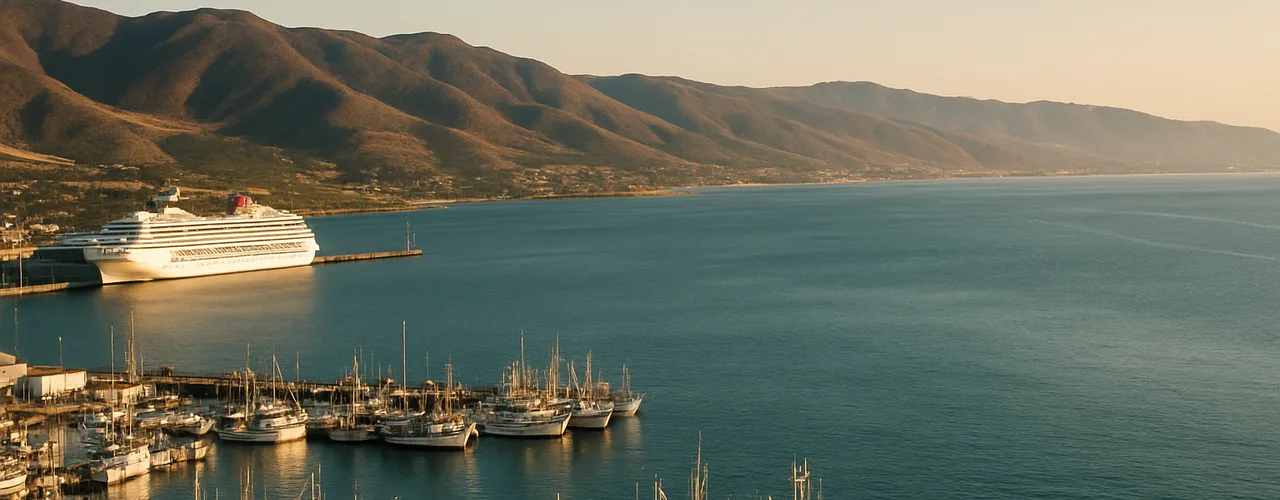
Ensenada sits on the Pacific coast of Baja California, about two hours south of downtown San Diego. You cross at San Ysidro or Otay Mesa and head south on the coastal toll road. It is a modern highway and a straightforward drive, which is the whole reason the city works for Southern Californians who would rather take their own car than fly anywhere.
Ensenada is also a regular cruise port. Cruise passengers arrive with a completely different set of constraints, and we cover that separately below, because the difference decides what you can realistically get done.
One detail that saves both money and paperwork: Baja California is a free zone. You do not need a temporary vehicle import permit (TIP) to drive the peninsula. What you do need is valid identification and a Mexican auto insurance policy, because a US or Canadian policy does not cover you on the other side.
What dental work costs in Ensenada
Expect to pay roughly 50% to 70% less than typical United States pricing. These are the ranges we see in the market:
| Treatment | Ensenada (USD) |
|---|---|
| Single dental implant | $800 - $1,400 |
| Zirconia crown | $280 - $500 |
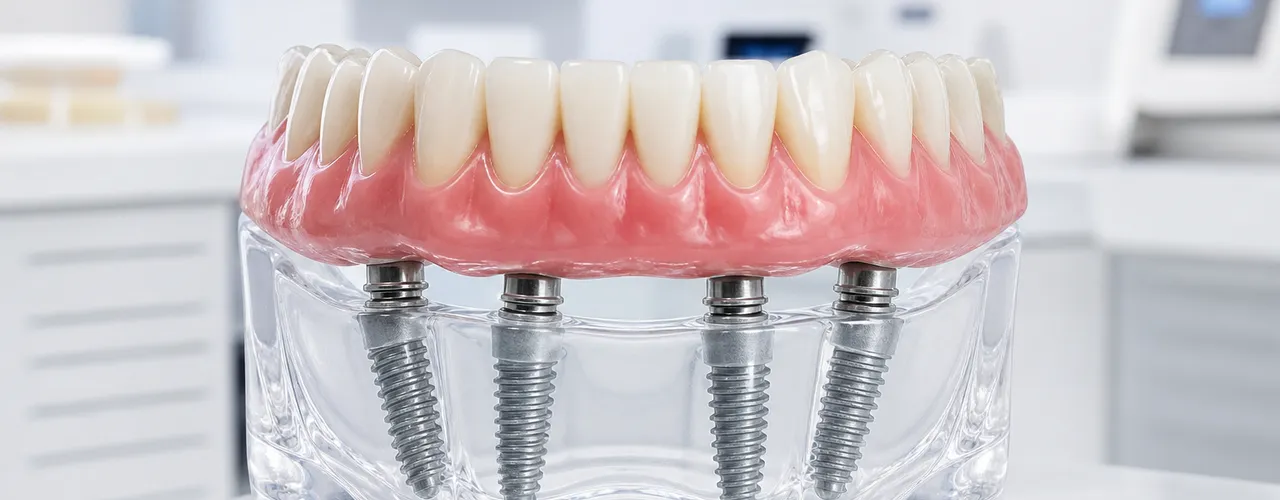
| Full-arch All-on-4 | $7,500 - $12,000 |
The ranges are wide on purpose. Price moves with the brand of implant system used, the materials in the final restoration, whether a specialist or a general dentist performs the surgery, and how much preparatory work your mouth needs before anything can be placed. A quote at the bottom of a range and a quote at the top are frequently not the same treatment. Ask what is different before you assume one clinic is overcharging.
Note also that an implant quote often covers only the implant post. The abutment and the crown that go on top may be billed separately. Always ask for the total cost of the finished tooth in writing.
What the city is actually like
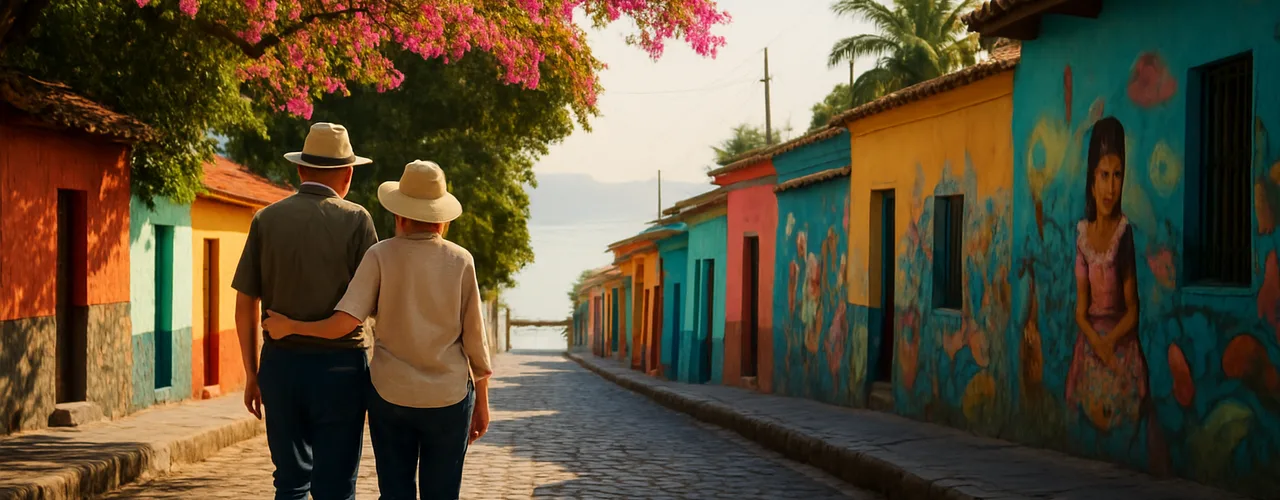
Ensenada is a working port and the commercial heart of Mexico's wine country. Valle de Guadalupe is roughly 30 minutes inland. It is not a tourist strip built around dental offices, and that changes the experience in ways worth knowing in advance.
The upside is that it feels like a normal city rather than a sales floor. Clinics are spread through regular commercial districts instead of clustered on one avenue full of people trying to wave you in. Parking is manageable. Traffic is mild by border-city standards. Many patients pair a treatment trip with a day in the valley, which makes a multi-day visit far less tedious than sitting in a hotel between appointments.
The trade-off is that fewer clinics are built specifically around English-speaking cross-border patients than in the border cities. Plenty of them are. But it is worth confirming the language situation before you book rather than assuming it.
When to go
Any month works. The coastal climate is temperate year round and there is no rainy season to schedule around. That is genuinely useful for dental travel, because implant treatment usually means returning months later and you are not trying to dodge a weather window on the second trip.
In practice the calendar question is not about season at all. It is about border traffic, and specifically about your trip home, which we cover in our driving guide.
How many trips will you need?
It depends entirely on the treatment.
- One visit: cleaning, consultation, resin filling, simple extraction.
- One trip of several days: crowns and bridges, since the dental laboratory needs time between preparation and final placement.
- Two trips months apart: implants and full-arch work. The bone needs months to integrate with the implant before the final restoration goes on. No clinic can compress that biology, and any clinic that offers to should make you cautious.
Two hours each way is exactly the distance where this math matters. A second trip is an easy weekend from San Diego. It is a much heavier commitment from Sacramento or Vancouver.
If you are arriving on a cruise ship
Be honest about the clock. A port day is enough time for a cleaning, a resin filling, or a consultation to plan future work. It is not enough for anything that involves a dental laboratory. Crowns, bridges and implants need days, sometimes months, not the handful of hours between the gangway and the all-aboard call.
The realistic cruise strategy is to use the port day as a consultation and a set of X-rays, then come back by car when you can give the treatment the time it needs. Trying to squeeze lab work into a shore excursion is how people end up with rushed decisions.
Choosing among 160 clinics
A market this size is a genuine advantage, because you have real choice. It also means the range of quality is wide, and the burden of vetting falls on you.
Molar City publishes a free algorithmic ranking of clinics based on their digital footprint. No clinic can pay for its position and none can buy its way up. It is a starting point for building a shortlist, not a substitute for your own diligence. Before you commit to anything significant, get a written treatment plan, confirm who is actually performing the procedure, and ask which implant system and materials will be used.
Who Ensenada suits, and who should skip it
Ensenada makes the most sense for Southern Californians who prefer to drive and want a calmer alternative to the border cities. If you are within a few hours of San Diego, the round trip is comfortable and repeatable.
It makes less sense if you would need to fly to San Diego first and then drive two hours, when a closer border option exists. It also makes less sense if you need a single quick appointment and every extra hour of driving is a cost. And if you have an active dental emergency, treat it at home first. Cross-border care is for planned work, not for pain that started this morning.
A note on what Molar City is
Molar City has been an independent dental tourism directory since 2007. We are not a dental clinic and we do not practice dentistry. What we do is coordinate the travel side and the communication between patients and clinics, and publish the free ranking described above. Any clinical decision belongs between you and the dentist who examines you.