Denture treatment requires multiple visits over several weeks or months, and that’s exactly why the small border town of Nuevo Progreso has become a regular stop for winter Texans who settle in the Rio Grande Valley from November through April. With a single main street packed with dental clinics, pharmacies and restaurants, the town exists almost entirely for day visitors walking across the toll bridge from Progreso, Texas. Denture work fits this rhythm: week after week, a patient can return for impressions, try‑ins, final fittings and any needed adjustments without booking a long‑distance trip each time.
How Denture Treatment Works Over Multiple Visits
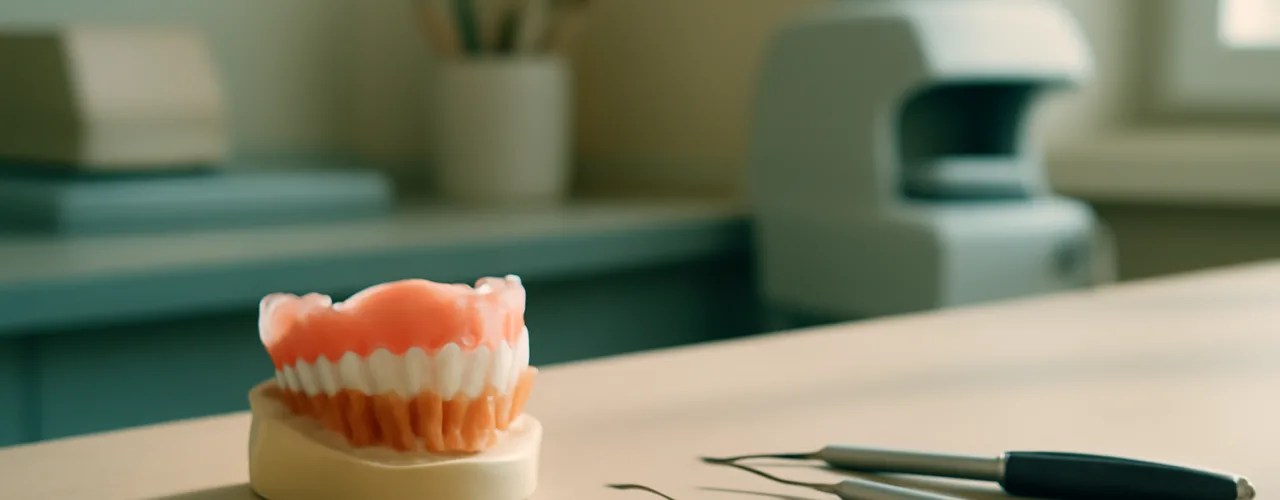
A complete denture—whether it is a full arch, a partial or an implant‑supported overdenture—rarely happens in one appointment. The process typically follows these steps:
- Initial exam and planning: the dentist checks the condition of any remaining teeth, takes x‑rays and discusses options.
- Impressions: molds of the mouth are taken to create a custom tray and later a working model.
- Try‑in: a wax or trial version of the denture is placed to check fit, bite and appearance.
- Final fitting: the definitive denture is delivered and adjusted on the spot.
- Follow‑up adjustments: the mouth changes over time, and winter visitors often drop in for a quick reline or pressure‑point fix while they are still in the Valley.
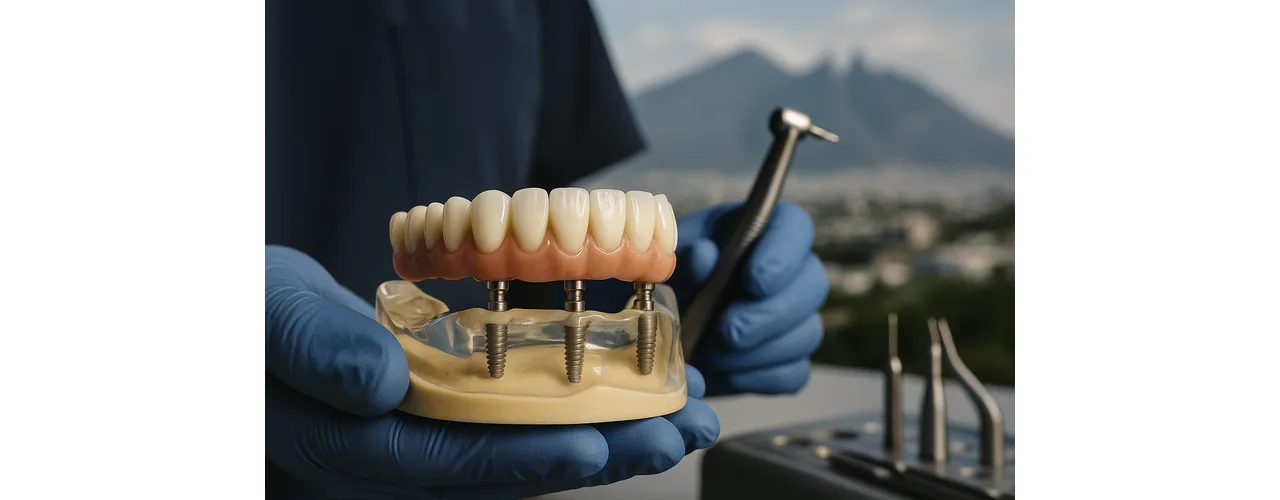
For implant‑supported dentures, the timeline lengthens because implants must integrate with the bone—often three to six months—before the denture can be attached. A patient who arrives in November and stays until April can often complete an implant‑supported overdenture within a single winter season, provided the clinic coordinates the healing phase properly.
Why Winter Texans Choose Nuevo Progreso for Dentures
The Rio Grande Valley draws tens of thousands of seasonal residents from the northern U.S. and Canada each winter. Many of them live in RV parks and mobile‑home communities within a short drive of the Progreso international bridge. The toll bridge is open to pedestrians, and parking on the Texas side costs a few dollars a day. Once across, Calle Benito Juárez—the main street—offers a concentrated strip of dental offices, optical shops and pharmacies, all within a few blocks.
This setup makes multi‑visit treatment practical. Instead of scheduling appointments in different cities or waiting until they return home, a patient can walk over every week or two for the next step. Dentists in Nuevo Progreso are familiar with this pattern and often tailor appointment schedules to a snowbird’s departure date.
What We Could Not Verify
Molar City tracks price information by reading the pages that clinics publish on their own websites. In Nuevo Progreso, we did not find any clinic that posts a public price list for dentures or other treatments. That means we cannot report a typical cost for a full denture, a partial denture or an implant‑supported denture in this market.
Without published prices, making direct comparisons between clinics—or between Nuevo Progreso and other border towns—is not possible using our method. Patients should request a detailed, written quote from the clinic after an examination. The quote should list each component separately: the professional fee, the lab fee, the cost of any extractions and the type of material. This is the only way to know what you will actually be charged.
How to Vet a Denture Provider in a Small Market
Nuevo Progreso is the smallest market Molar City tracks, with only 15 listed clinics. While the average Google rating among them is a strong 4.87, the review count tells a more nuanced story: only two clinics have more than 50 reviews, and none has reached 100. This means a handful of glowing comments can push a rating quite high, so the score alone should not be the deciding factor.
When you are researching a clinic for dentures, consider these points:
- Denture experience: ask how many denture cases the dentist handles each week and whether they have a dedicated on‑site lab or work with a local dental laboratory.
- Material quality: ask about the brand of teeth and the type of acrylic used. Higher‑grade materials resist staining and wear better, but they also affect cost.
- Adjustment policy: find out how many free follow‑up adjustments are included and for how long. In a multi‑visit setting, this can save a significant amount.
- Licensing and sterilization: check that the dentist is registered with the Mexican dental board (Colegio de Cirujanos Dentistas) and that the clinic follows international sterilization protocols. A reputable clinic will show you its autoclave and sealed instrument pouches.
What to Ask Before You Cross
A little preparation makes the first appointment more productive and reduces the chance of surprises. Here are things to arrange or ask before you set foot on the bridge:
- Dental records: bring any recent x‑rays, a list of medications and a note from your regular dentist about existing conditions. Digital files on a phone or tablet are easier to carry than physical films.
- Payment and currency: most clinics accept U.S. dollars, and many do not take credit cards because the transaction is cross‑border. Confirm the payment method and whether there is an ATM nearby.
- Language: almost all clinics catering to day visitors have English‑speaking staff, but confirm this when you book. If you are concerned, ask whether a translator can be present.
- Crossing logistics: the toll bridge charges a small pedestrian fee; confirm the current amount before you go. Check parking costs on the Texas side, and carry your passport or passport card, as you will need it to re‑enter the United States.
- Healing and comfort: if you need extractions or implant surgery, ask what pain management options are offered and whether you should arrange a ride back to your lodging.
U.S. Prices for Comparison
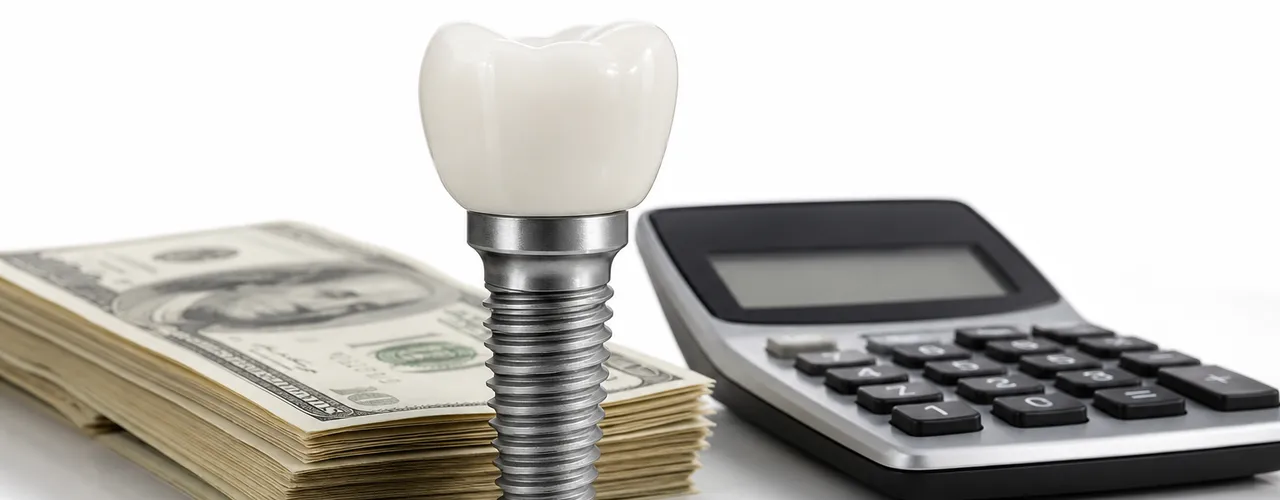
Without local price data, the best we can offer is a sense of what comparable treatment costs in the United States, based on Molar City’s site‑wide reference figures. These numbers are not what you will pay in Nuevo Progreso.
- Single dental implant (including crown): $2,500 to $5,000
- All‑on‑4 implant‑supported denture, per arch: $20,000 to $30,000
- Zirconia crown (stand‑alone): $1,200 to $1,800
Full and partial dentures in the U.S. vary widely by region, but a conventional full upper or lower denture often runs between $1,200 and $1,800, though that range is not in our verified reference set. The figures above show that complex implant‑supported prosthetics are a high‑ticket item, which is why patients consider cross‑border options in the first place. Still, no assumption should be made about Nuevo Progreso pricing until a clinic provides a written treatment plan.
Denture work in Nuevo Progreso works best for patients who can visit the town several times over a few months—exactly the pattern of the Winter Texan. If your stay is short or you cannot commit to follow‑up visits, a border town may not be the ideal setting, no matter how convenient the walk across the bridge feels. Talk to clinics directly, ask hard questions about materials and lab work, and give yourself enough time to heal between appointments.
Frequently Asked Questions
What is Nuevo Progreso known for in dental tourism?
Can I get denture adjustments in Nuevo Progreso?
Are there published price lists for dentures in Nuevo Progreso?
Is Nuevo Progreso a good option for dentures?
Questions this page answers
- how much do dentures cost in Nuevo Progreso Mexico
- best denture clinic in Nuevo Progreso
- dentures in Nuevo Progreso for winter Texans
- can I get dentures adjusted in Nuevo Progreso
- Nuevo Progreso Mexico dental clinics reviews
- dentures near the Texas border
- is it safe to get dentures in Nuevo Progreso
- how long does it take to get dentures in Nuevo Progreso
- dentures in Mexico border town Nuevo Progreso
- Nuevo Progreso denture prices