The short answer
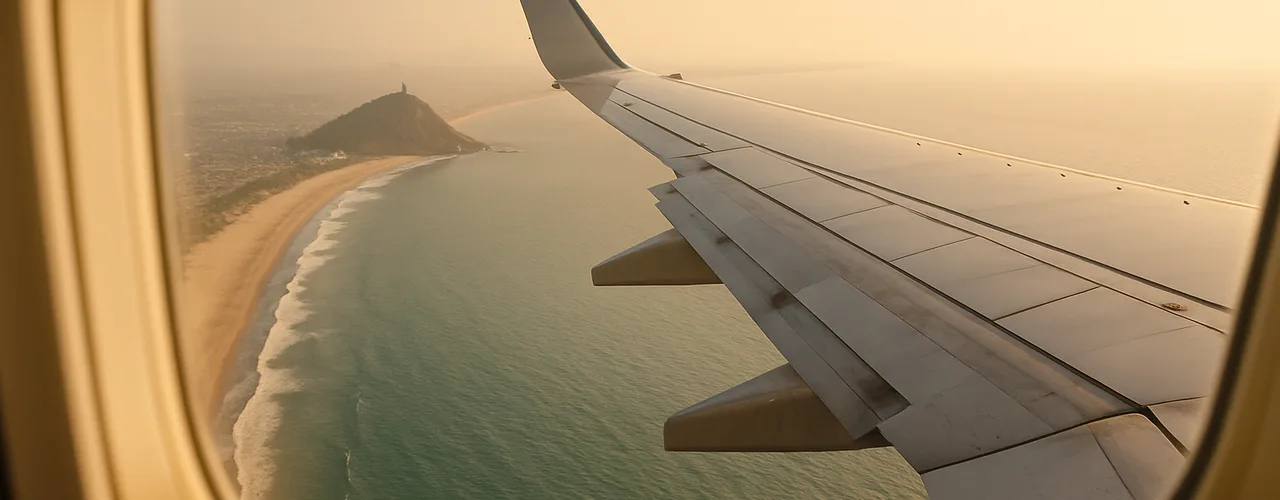
You fly into Mazatlán International Airport (MZT), which sits about 20 minutes from the Zona Dorada, where most of the city's dental clinics are concentrated. From Canada there are seasonal direct flights from Calgary, Vancouver and Edmonton on WestJet and Sunwing. From the United States, most itineraries connect through Phoenix, Los Angeles or Dallas. There is no land border crossing and no vehicle permit involved, which is the main logistical difference between Mazatlán and the border dental towns.
Routes into MZT
From Canada
The Canadian direct routes are seasonal and align with the November to April window. Calgary, Vancouver and Edmonton are the served cities, on WestJet and Sunwing. Because they are seasonal, they do not exist year round: if you are planning a treatment that spans two trips, check that your second trip still falls inside the season, or accept a connection.
From the United States
Expect a connection. Phoenix, Los Angeles and Dallas are the usual gateways. Practically, that means an early departure and a same-day arrival for most of the western United States, and a longer travel day from the east. Build that into how you schedule the first appointment.
Airport to clinic
The 20-minute transfer to the Zona Dorada is short by dental-tourism standards, which matters more than it sounds. On surgery days and on the day after, a short ride between hotel and clinic is the difference between a manageable day and an exhausting one. Ask your clinic whether they arrange airport pickup and hotel transport, and confirm it in writing before you land rather than negotiating at the curb.
No border crossing, no vehicle permit
Border dental destinations involve driving, parking, walking across and queuing to return. Mazatlán involves none of that, and no temporary vehicle import permit. The tradeoff is honest: flying costs more than driving, so Mazatlán makes financial sense for larger cases where a 50 to 70 percent saving on treatment comfortably clears the airfare, and much less sense for a single filling.
When to go
November through April. That period is the dry season, it is when the snowbird population is in town, and it is when the seasonal direct flights operate. High season also means competition for hotel rooms and appointment slots, so book earlier than you think you need to. Traveling in the off-season is cheaper and quieter but generally means connecting itineraries and hotter, more humid weather during recovery, which is not ideal after oral surgery.
Building the schedule around the appointments
| Day | What it is for |
|---|---|
| Arrival day | Land, check in, rest. Do not schedule surgery on a travel day. |
| Day 1 | Exam and imaging, final treatment plan and price confirmed in writing |
| Day 2 | Main procedure |
| Days 3 to 5 | Review appointments, adjustments, recovery |
| Buffer days | Room for a delayed lab, a swollen jaw or a rescheduled visit |
The buffer is not optional. A booked flight home creates pressure to accept a rushed finish, and that pressure works against you. Ask your clinic how many working days the specific plan needs and add at least one or two beyond their answer.
Flying after treatment
Ask the clinic that treated you, and follow their instruction rather than a generic rule from the internet. In practical terms, avoid booking a flight for the same day as a surgical procedure or the day after sedation, plan for a soft-food travel day, and carry your prescribed medication in your hand luggage with the packaging and prescription. If you have any condition affecting clotting, healing or air travel, discuss it with your physician at home before you book.
Tickets, insurance and refunds
- Prefer a fare you can change. Dental schedules slip, and lab work can run late.
- Read your travel insurance policy on elective procedures. Most exclude them; do not assume yours is different.
- Book lodging with a flexible cancellation window for the same reason.
- If your case needs two trips, price both before committing to either.
What to bring
- Passport, plus whatever entry documentation is current for your nationality.
- Recent x-rays or a CT scan, digitally and on a drive.
- A written list of medications, doses and allergies.
- Your medication itself, in original packaging.
- The written treatment plan and quote you agreed to, printed.
- Your home dentist's contact details.
- Two payment methods, and confirmation of what the clinic accepts.
Planning the second trip
Implant cases are staged: placement on the first trip, months of healing, then the definitive restoration on the second. Book the second trip into the same November to April window if you can, since that is when the direct routes run. Keep the same hotel and clinic contacts, and confirm before flying that the lab work is ready. Nothing wastes a trip faster than arriving for a delivery appointment that has slipped a week.
Where to start
Pick the clinic before the flight, not after. Molar City tracks 136 clinics in Mazatlán and publishes a free ranking built from public digital footprint, with no paid positions, which is a fast way to build a shortlist. Get the written plan, confirm how many days you need, and only then buy the ticket. Molar City is an independent directory that has operated since 2007; we coordinate the trip and the communication, and we are not a dental clinic.