Yes, it can be safe to get dental work in Cabo San Lucas—if you verify the right clinic standards. Thousands of US and Canadian patients travel to Los Cabos each year for affordable, high-quality dental care, often combining treatment with a resort vacation. But safety depends on choosing a clinic that meets international sterilization, training, and technology standards. This guide shows you exactly what to check so you can make an informed, confident decision.
What Safety Standards Should a Dental Clinic in Cabo Meet?
The best clinics in Los Cabos voluntarily follow US and Canadian standards. Look for these key markers:
- Sterilization protocols: Autoclave sterilization, single-use disposable items (needles, gloves, suction tips), and a separate sterilization room. Ask if they use biological spore testing to verify autoclave effectiveness.
- Digital X‑rays and CT scans: Modern clinics use low-radiation digital X‑rays and 3D cone‑beam CT scans for implant planning—essential for safety and precision.
- Infection control: Hand hygiene stations, barrier protection on equipment, and proper waste disposal. The clinic should look and feel as clean as a top US office.
- Emergency preparedness: On‑site oxygen, defibrillator, and staff trained in CPR and emergency protocols. Ask what happens if a complication arises.
- Patient reviews: Independent reviews on Google, Yelp, or dental tourism platforms. Look for consistent praise of cleanliness, communication, and outcomes.
Molar City independently ranks clinics based on these standards, so you can compare verified options for free.
How Do I Verify a Dentist’s Credentials in Cabo San Lucas?
Verifying a dentist’s credentials is straightforward if you know what to ask:
- Degree and license: Mexican dentists earn a DDS or DMD degree from a university accredited by the Mexican Ministry of Education. Ask for their license number (cédula profesional) and verify it online via the federal registry.
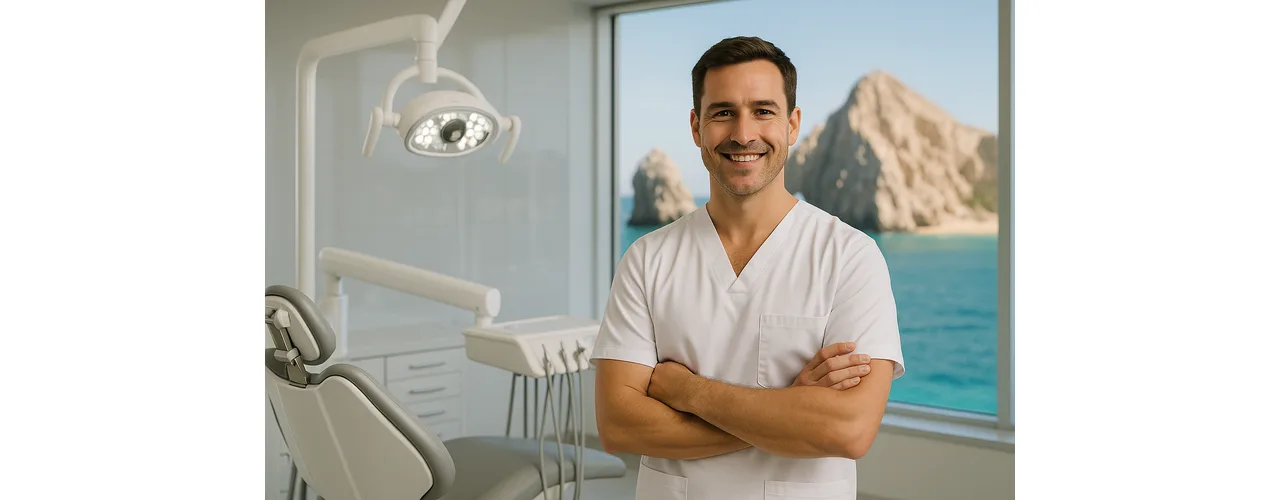
- Specialty training: For implants, ask if they have a specialty in oral surgery or implantology. Many top Los Cabos dentists have advanced training from US, Canadian, or European programs.
- Membership in professional organizations: Look for membership in the Mexican Dental Association, American Dental Association (as international members), or the International Congress of Implant Dentistry.
- Continuing education: The best dentists attend international conferences and courses regularly. Ask about their recent training.
- Language and communication: Most top clinics have bilingual staff (English‑Spanish) and provide clear treatment plans in English. If you don’t feel understood, that’s a red flag.
What Are the Realistic Costs for Dental Work in Cabo Compared to the US/Canada?
Dental care in Los Cabos typically costs 50–70% less than in the US or Canada. Here are estimated price ranges (final plan set after an in‑person exam/CT scan):
- Dental implant (single tooth): $1,200–$1,800 per implant (vs. $3,000–$5,000 in the US). Includes implant, abutment, and crown.
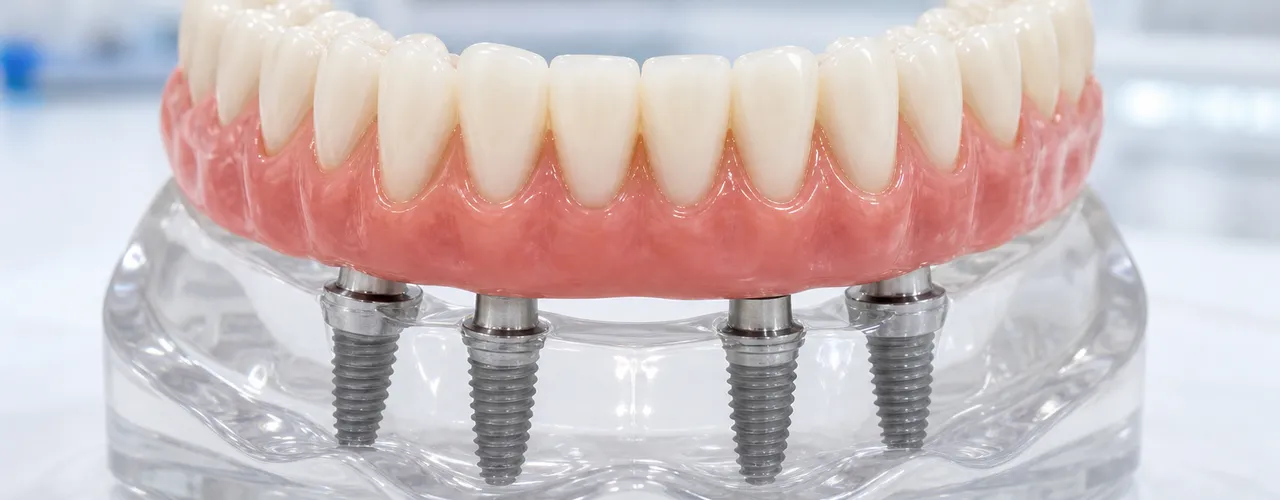
- All‑on‑4 implants (full arch): $8,000–$12,000 per arch (vs. $20,000–$30,000+ in the US).
- Porcelain veneers (per tooth): $400–$700 (vs. $1,000–$2,500 in the US).
- Dental crown (porcelain fused to metal or zirconia): $350–$600 (vs. $1,000–$2,000).
- Teeth whitening (in‑office): $200–$400 (vs. $500–$1,000).
- Root canal (molar): $300–$500 (vs. $800–$1,500).
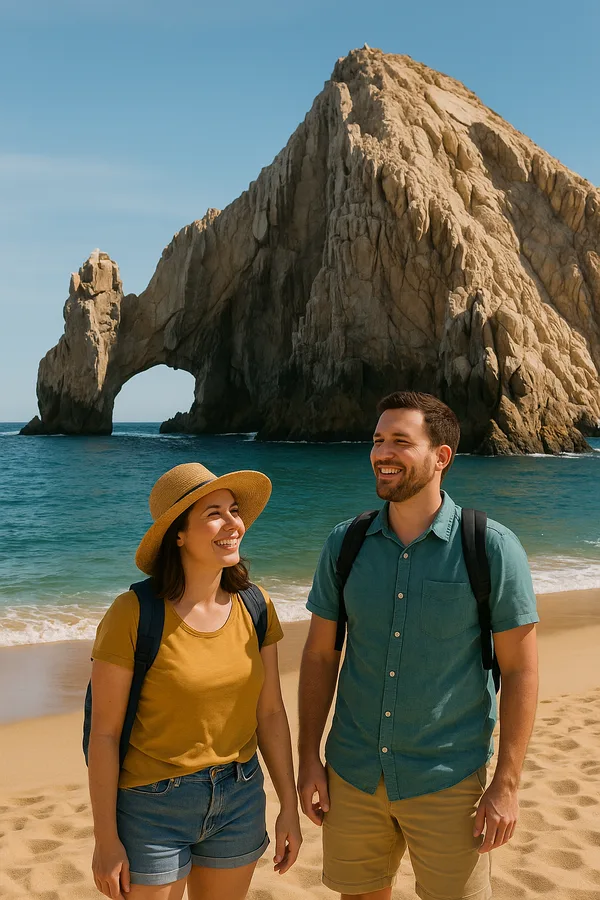
These savings, combined with Los Cabos’ resort atmosphere—beaches, golf, fishing, and fine dining—make it a popular destination for dental vacations.
What Should I Look for in a Clinic’s Technology and Equipment?
Modern technology reduces risk and improves outcomes. Verify that the clinic has:
- Digital X‑rays: Up to 90% less radiation than traditional film. Ask if they use digital panoramic and periapical X‑rays.
- Cone‑beam CT (CBCT) scanner: Essential for implant placement, wisdom tooth extraction near nerves, and root canal treatment. A 3D scan costs around $100–$200 (estimated, final plan after exam).
- Intraoral camera: Lets you see what the dentist sees. Good for patient education.
- Laser or digital impression systems: For crowns and veneers, digital impressions (e.g., Itero) are more comfortable and accurate than goopy molds.
- In‑house lab or fast turnaround: Some clinics have on‑site labs for same‑day crowns (CEREC). Others send out to trusted labs with 2–3 day delivery—ideal for vacationers.
How Do I Plan a Safe Dental Vacation to Los Cabos?
Combining dental care with a Cabo vacation requires planning. Follow these steps:
- Pre‑consultation: Have a virtual or phone consult with the clinic. Send your X‑rays or recent scans. Get a written treatment plan and cost estimate.
- Choose a clinic near your hotel: Most top clinics are in Cabo San Lucas, San José del Cabo, or the corridor between them. Pick one within a short taxi or shuttle ride from your resort.
- Allow enough time: For implants, you may need two trips: one for implant placement (allow 3–5 days) and another 3–6 months later for the crown. For crowns or veneers, plan 7–10 days to allow for lab work.
- Arrange recovery time: Avoid strenuous activities (scuba diving, heavy exercise) for 24–48 hours after surgery. Enjoy low‑impact activities like beach walks or spa treatments.
- Check insurance and payment: Most clinics accept credit cards, wire transfers, or cash. Some offer financing. Verify if your US/Canadian dental insurance covers any portion—some plans reimburse out‑of‑network care.
- Have a backup plan: Know the location of the nearest hospital (e.g., Hospital H+ in Cabo San Lucas) and keep your clinic’s emergency number handy.
What Are Common Red Flags to Avoid?
Be wary of these warning signs:
- Prices that seem too good to be true: Extremely low quotes may indicate substandard materials or rushed work. Compare with Molar City’s verified clinic listings.
- No physical address or phone number: Legitimate clinics have a street address and local phone number.
- Pressure to pay the full amount upfront: A reputable clinic will ask for a deposit (30–50%) with the balance due at the start of treatment or after completion.
- Lack of written treatment plan: Always get a detailed plan with itemized costs, materials used, and warranty information.
- No warranty or aftercare: Top clinics offer a 1–5 year warranty on implants and crowns. Ask what happens if you have a problem after returning home.
Molar City helps you avoid these pitfalls by independently ranking clinics based on safety, technology, and patient satisfaction—all for free.
In conclusion, getting dental work in Cabo San Lucas can be safe and highly cost‑effective when you verify clinic standards. By checking credentials, technology, sterilization, and patient reviews, you can confidently choose a clinic that meets your needs. Ready to compare top‑rated, verified clinics in Los Cabos? Visit Molar City to see our independent rankings and find the right dentist for your dental vacation.
150 clinics scored on reviews, rating and digital presence. No clinic pays for its position.
- #1 Advanced Cabo Dentistry - Dentist Cabo San Lucas
- #2 White Dental Office
- #3 Paradise Dental Los Cabos
Frequently Asked Questions
Is dental work in Cabo San Lucas safe?
What standards should I check for a dental clinic in Cabo?
How much does a dental crown cost in Cabo San Lucas?
Can I combine dental work with a vacation in Cabo?
How do I find a reputable dentist in Cabo San Lucas?
Questions this page answers
- is dental work safe in Cabo San Lucas
- how to check if a dentist in Cabo is safe
- dental clinic standards in Cabo San Lucas
- best safe dentist in Cabo San Lucas
- dental tourism safety Cabo San Lucas
- cost of dental crown in Cabo San Lucas
- dental implants Cabo San Lucas reviews
- combine dental work with vacation in Cabo
- accredited dental clinics Cabo San Lucas
- what to look for in a dentist in Cabo