If you're spending the winter in San Carlos or Guaymas and want to fix chipped, stained, or uneven front teeth, porcelain veneers are a popular and predictable solution. Here's the honest truth: veneers are an art and a science, and the quality depends heavily on the dentist's skill and the lab work. On the Sea of Cortez, you'll find a handful of experienced clinics that cater to American and Canadian snowbirds, offering prices that are typically 40–60% less than in the US or Canada. But before you book, you need to understand the difference between conservative veneers and full crowns, how many teeth you actually need, and why the try-in step is non-negotiable. This guide walks you through it all—with realistic costs and expectations—so you can make an informed decision.
What Exactly Are Porcelain Veneers?
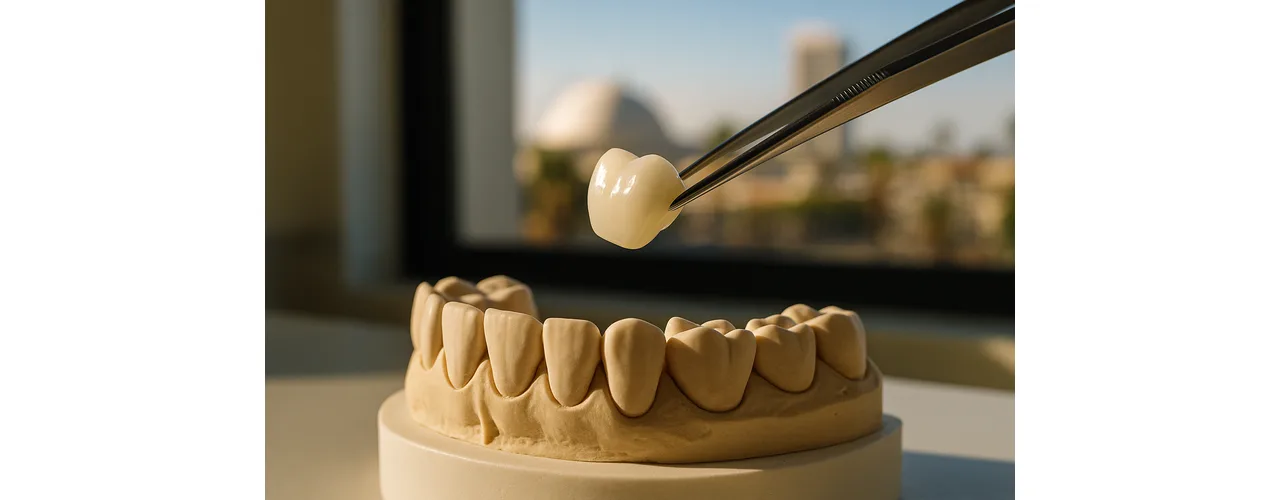
Porcelain veneers are thin, custom-made shells of tooth-colored ceramic that cover the front surface of your teeth. They're bonded to your natural teeth to improve their appearance, shape, size, or color. Unlike crowns, which cover the entire tooth and require significant reshaping, veneers are more conservative—they typically only involve removing a thin layer of enamel (about 0.3 to 0.5 millimeters) from the front of the tooth.
There are two main approaches:
- Traditional veneers: Your dentist removes a small amount of enamel, takes impressions, and places temporary veneers while your permanent ones are being made. This is the standard approach and usually requires some tooth preparation.
- No-prep or minimal-prep veneers: These are ultra-thin (often called "lumineers" or "contact lenses for teeth") and require little to no enamel removal. They're best for teeth that are already well-aligned and not too discolored. They're less invasive but may not be suitable for severely stained or crooked teeth.
Be wary of any dentist who recommends filing down healthy teeth for crowns when veneers would suffice. Crowns are for teeth that are heavily decayed, broken, or have had root canals—not for purely cosmetic fixes. A good dentist will always recommend the most conservative option that achieves your goals.
How Many Veneers Do You Actually Need?
Most people don't need a full set of 28 veneers. When you smile, you typically show only the upper teeth, and often just the front six to ten. The standard "smile makeover" usually involves 8 to 10 upper veneers—the central incisors, lateral incisors, and canines (and sometimes the first premolars, depending on your smile width).
Here's why 8 to 10 is the usual answer:
- Smile visibility: Your smile line is determined by your lip movement. Most people show only the upper teeth when they smile, and the lower teeth are barely visible.
- Cost-effectiveness: Each veneer costs money, so you want to invest where it shows. Adding veneers to teeth that don't show is unnecessary.
- Aesthetics: A natural smile has a gradient of color and shape. Dentists can create a beautiful result by focusing on the upper arch.
During your consultation, your dentist will do a "smile design" assessment, taking photos and measurements to determine how many veneers you need and what shape and shade will look best.
What Is the Cost of Porcelain Veneers in Guaymas & San Carlos?
In the US, porcelain veneers can cost anywhere from $1,000 to $2,500 per tooth. In Canada, prices are similar, often CAD 1,200 to CAD 2,800 per tooth. In Guaymas and San Carlos, you can expect to pay significantly less—typically $350 to $800 per tooth, depending on the dentist, the type of porcelain, and the lab used. That's for traditional veneers. No-prep veneers might be slightly more due to the advanced material.
Here's a rough breakdown:
- Per-tooth cost: $350–$800 (estimated, final plan set after an in-person exam and CT scan).
- Full set (8–10 uppers): $3,500–$8,000, which is still far less than the $10,000–$25,000 you'd pay back home.
But don't just shop by price. The cheapest option may not be the best—ask about the porcelain brand, the lab's reputation, and the dentist's experience with veneers. A good dentist will show you before-and-after photos of actual patients.
Why the Try-In and Mock-Up Step Is Crucial
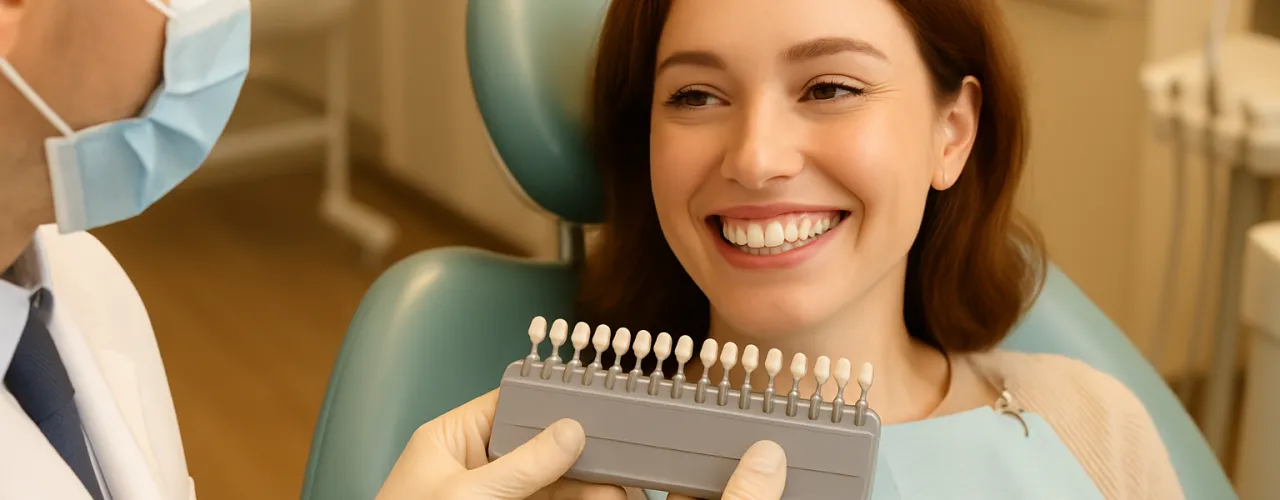
Before your veneers are permanently bonded, you should have a "try-in" or "mock-up" appointment. This is where the dentist places temporary veneers or uses a digital smile preview to show you what the final result will look like. This step is non-negotiable because it allows you to:
- See the shape and size: You can approve or request changes before the final veneers are made.
- Check the shade: The color should match your natural teeth and your expectations.
- Ensure the fit: The veneers should feel comfortable and look natural.
In Guaymas and San Carlos, most reputable clinics include this step. If a dentist skips it or rushes through it, that's a red flag. Remember, you're investing in your smile—you deserve to see it before it's permanent.
How Long Does the Process Take? (And Why Snowbirds Have an Advantage)
If you're a snowbird spending the winter in San Carlos, you have a unique advantage: time. Unlike a typical dental tourist who flies in for a week, you can stretch your appointments over several weeks, which is actually better for your teeth and your peace of mind.
Here's a typical timeline:
- Consultation and smile design: Day 1—your dentist examines your teeth, takes X-rays and photos, discusses your goals, and creates a treatment plan.
- Tooth preparation and impressions: If you need traditional veneers, your dentist will prepare your teeth and take impressions. This appointment can take 1–2 hours.
- Temporary veneers: You'll wear temporary veneers while your permanent ones are being made. This is your chance to test the look and feel.
- Try-in and adjustments: About 1–2 weeks later, you'll return for a try-in. If all is good, your dentist will bond the veneers. If not, they may need to send them back for adjustments.
So, the whole process usually takes 2–3 weeks from start to finish. For a tourist with only a few days, that's impossible. But for a snowbird who's here for months, it's perfect. You can have your veneers done at a relaxed pace, with time for any adjustments.
What About the Drive and Logistics?
Guaymas and San Carlos are located in southern Sonora, on the Sea of Cortez. If you're driving from the US, you'll cross at Nogales, Arizona, and head south on Federal Highway 15. The drive takes about 6 hours. The nearest airport is Guaymas (GYM), with Hermosillo (HMO) about 90 minutes north.
Sonora runs the "Only Sonora" vehicle program, which allows US-plated cars to drive this corridor without a nationwide temporary import permit, as long as you complete the paperwork at the border. This is a big convenience for snowbirds who drive down for the winter.
San Carlos is a well-established winter destination for American and Canadian RV travelers, so many clinics are accustomed to English-speaking patients. You'll find a welcoming community and a relaxed beach atmosphere.
How to Choose a Dentist in Guaymas & San Carlos
Because this is a smaller market than Tijuana or Los Algodones, you won't find hundreds of clinics. But that's not a bad thing—it means less competition and more personalized care. Molar City currently tracks and independently ranks 79 dental clinics in Guaymas & San Carlos, so you have a curated list to start from.
When comparing clinics, look for:
- Credentials: Are the dentists licensed and experienced in cosmetic dentistry?
- Before-and-after photos: Real cases, not stock photos.
- Patient reviews: Look for reviews from other snowbirds or dental tourists.
- Technology: Do they use digital smile design, intraoral scanners, and high-quality porcelain?
- Communication: Can they explain the process clearly in English?
Molar City ranks clinics independently and for free, so you can compare verified dentists and read honest reviews. We've been helping patients find affordable dental care abroad since 2007, and we're here to help you make the right choice.
Final Thoughts: Is It Worth It?
Porcelain veneers in Guaymas and San Carlos can save you thousands of dollars while giving you a beautiful, natural-looking smile—especially if you're already spending the winter in the area. The key is to choose a reputable dentist who prioritizes conservative treatment and involves you in the design process.
Remember, the cheapest option isn't always the best. Look for a dentist who offers a try-in, uses high-quality materials, and has a portfolio of successful cases. With the right dentist, you'll enjoy your new smile for years to come.
Ready to compare your options? Check out our list of verified dentists in Guaymas and San Carlos on Molar City—it's free, independent, and designed to help you make an informed decision. Your dream smile is closer than you think.
Frequently Asked Questions
How much do porcelain veneers cost in Guaymas or San Carlos?
Are porcelain veneers in Mexico safe?
Why do winter snowbirds have an advantage for veneers in Guaymas?
How do I find the best dentist for veneers in San Carlos?
What is the process for getting porcelain veneers in Mexico?
Questions this page answers
- how much do porcelain veneers cost in Guaymas
- best dentist for veneers in San Carlos Mexico
- porcelain veneers near Arizona border
- dental veneers for snowbirds in Mexico
- are porcelain veneers cheaper in Mexico
- what to expect when getting veneers in Mexico
- porcelain veneers vs crowns cost in Mexico
- find a trusted dentist in Guaymas for veneers
- how long do porcelain veneers last in Mexico
- compare dental clinics in San Carlos Mexico