The short answer
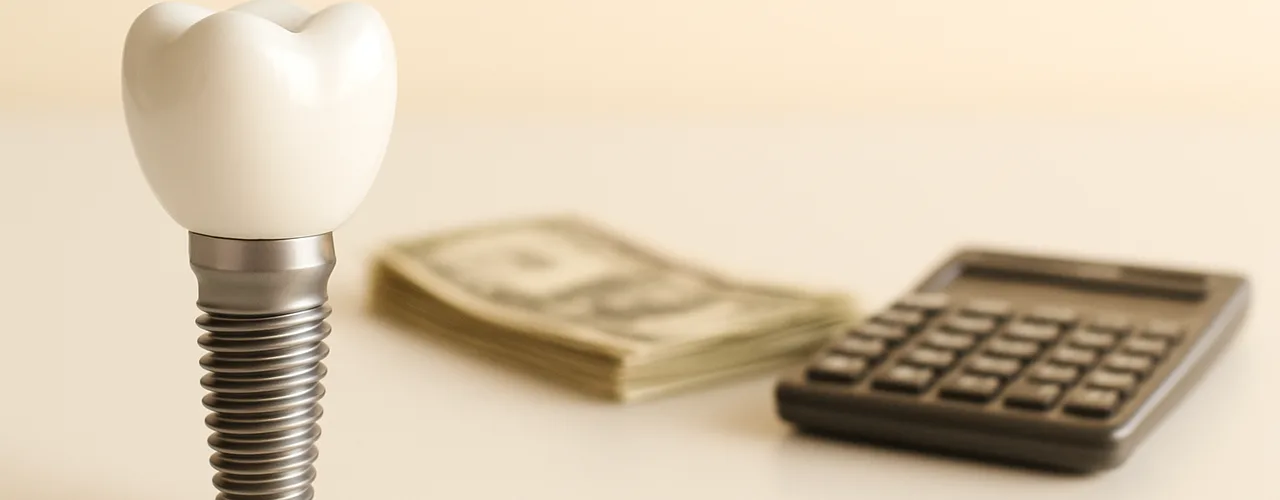
A single dental implant in Oaxaca runs $850 to $1,500 USD. A zirconia crown on top runs $300 to $550. A full-arch All-on-4 runs $8,000 to $13,000 per arch. Those are the ranges Molar City publishes for the city, drawn from the same price tier we apply to Mexican metropolitan destinations. They are ranges, not quotes, and the difference between the low end and the high end is usually made of things you can ask about directly.
What that price should include
An implant is not one item. When a clinic quotes you a number, the useful question is which of these parts are inside it:
- Imaging. A panoramic X-ray or a CBCT scan. Some clinics quote it separately.
- The implant fixture itself, and its brand. This is the single biggest driver of the range.
- The abutment, the connector between fixture and crown.
- The crown, and its material: zirconia, porcelain fused to metal, e.max.
- Surgery and follow-up visits.
- Bone graft or sinus lift, if your case needs one. This is the most common reason a quote grows after the exam.
Two clinics quoting the same tooth can differ by several hundred dollars honestly, simply because one included a graft and a premium fixture and the other quoted a bare minimum. A quote that does not itemise is not comparable to anything.
Why the range is wide
Four things move the number inside the range.
- Implant brand. Established European and American systems cost more than generic alternatives, and they matter later: if you ever need a part replaced at home, a widely distributed system is easier to service than an obscure one.
- Bone condition. A tooth missing for years often means bone loss, and rebuilding that bone adds cost and time.
- Crown material. Zirconia, layered porcelain and e.max are not priced alike.
- Who performs the surgery. A general dentist and an oral surgeon or periodontist with implant training charge differently, and for complex cases the specialist is worth the difference.
The comparison that actually works
Ask three clinics from the Oaxaca ranking for a written, itemised plan after imaging. Then put them side by side on the same six lines: imaging, fixture and brand, abutment, crown and material, graft if required, and follow-up visits. Compare totals only after those six lines match. Most of the apparent bargains disappear at this step, which is exactly what you want to happen before you travel rather than after.
Reference prices for other treatments
| Treatment | Oaxaca range (USD) |
|---|---|
| Single dental implant | $850 – $1,500 |
| All-on-4, per arch | $8,000 – $13,000 |
| Porcelain veneer | $350 – $600 |
| Zirconia crown | $300 – $550 |
| Root canal | $200 – $400 |
What the warranty is actually worth
Almost every clinic advertises a warranty on implants, and the word means very different things in practice. The useful questions are narrow and specific:
- What does it cover? The fixture only, or the fixture and the crown? Those are different parts with different failure modes, and a warranty on the fixture alone leaves you paying for the expensive visible piece.
- For how long? Fixture warranties of five or ten years are common; crown warranties are usually shorter because ceramic wear is considered normal use.
- Does claiming it require returning to Oaxaca? Almost always yes. That means a warranty is worth roughly what a return flight costs you, which is a real number you should factor in.
- Who pays for the replacement work? Some warranties cover the part but not the labour, which can amount to a fraction of the actual cost of fixing the problem.
- Is it in writing, signed, before you pay? A warranty described in conversation is not a warranty.
None of this implies bad faith. It is simply that "lifetime warranty" is a marketing phrase everywhere in the world, and the document behind it is what you are actually buying.
Budget the trip, not just the tooth
An implant in Oaxaca usually means two trips separated by months of healing. Count both sets of flights, both lodging stays and the days away from work. For a single implant, that travel often eats most of the saving: patients who come out clearly ahead are usually the ones treating several teeth or a full arch at once. Run that arithmetic before you book, not after.
A worked example makes it concrete. Suppose a single implant and crown quoted at $1,600 in Oaxaca against $4,500 at home: the treatment saving is $2,900. Now subtract two round-trip flights, perhaps ten nights of lodging across both visits, ground transport and meals, plus any unpaid days off work. Depending on where you fly from, that can consume half the saving or more. The same exercise on a full arch, where the gap is often $15,000 or greater, barely dents it. That difference is why we tell single-tooth patients to check their local prices carefully before booking anything.
Is a cheap implant in Mexico a bad implant?
Not necessarily, but a price far under the range deserves a question rather than enthusiasm. Ask what fixture brand it uses, whether imaging and the abutment are included, and what the warranty covers. Most suspiciously low quotes turn out to be incomplete rather than dishonest.
Will my insurance pay for treatment in Oaxaca?
Most United States and Canadian dental plans do not pay foreign providers directly, though some reimburse part of the cost against an itemised invoice. Ask your insurer before you travel and request the invoice in a format they accept.
How long does the whole process take?
Typically four to eight months from placement to final crown, spread over two trips. Cases that need a bone graft take longer. Any clinic promising a finished implant in three days is describing a temporary, not a final restoration.
What Molar City is, and is not
Molar City has been an independent dental tourism directory since 2007. We are not a dental clinic and we do not practice dentistry. The prices on this page are published ranges for the city, not offers, and no figure here replaces a written quote from the dentist who examines you.