The short answer
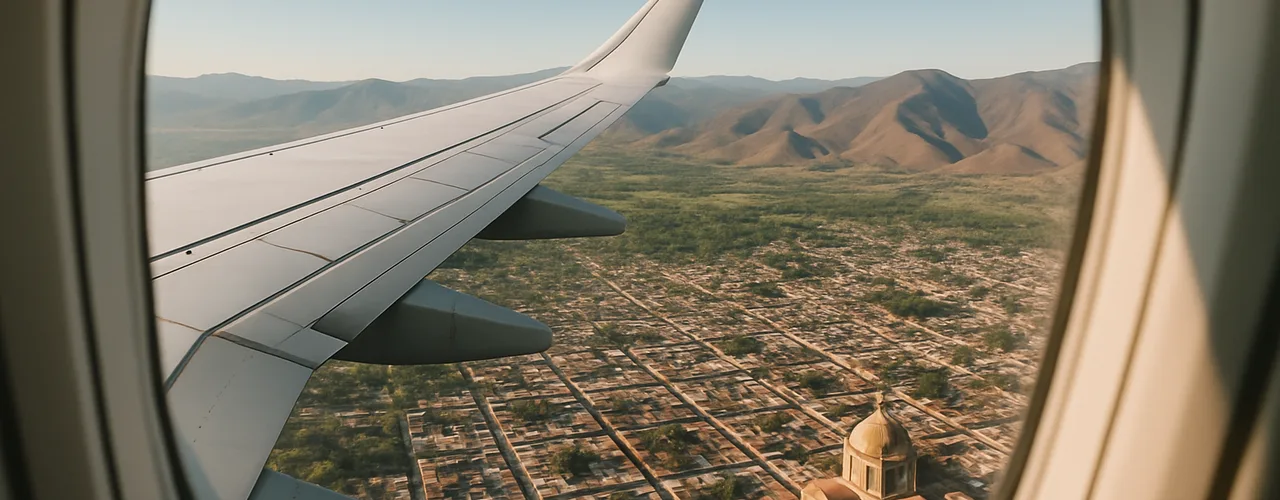
You fly into Oaxaca International Airport (OAX), which sits about twenty minutes south of the historic centre, where most of the clinics that treat foreign patients are concentrated. There are non-stop flights from several United States cities and frequent connections through Mexico City, which is the route most patients end up taking. There is no land border crossing and no vehicle permit involved, and once you arrive you will not need a rental car.
Getting there
- Direct from the United States. A handful of US cities have non-stop service to OAX. Schedules change by season, so check your travel month rather than assuming a route exists year-round.
- Via Mexico City. The most reliable option from almost anywhere. MEX has constant onward flights to Oaxaca and the leg is under an hour.
- By road from Mexico City. The highway takes roughly six hours. It is a real option if you are already in the capital, but it is a long day either side of a dental appointment.
Getting around once you land
This is where Oaxaca is easier than most destinations. The airport transfer into the centre takes about twenty minutes and taxis are inexpensive. Inside the historic centre you walk: the grid is compact, many streets are pedestrianised, and a clinic appointment usually means a ten or fifteen minute stroll rather than a drive. For a patient recovering from surgery, not having to negotiate traffic every morning is worth more than it sounds.
Building the schedule around appointments
- Land a day early. Never schedule surgery for the afternoon you arrive. Flight delays are common and you want to sleep before an operating day.
- Confirm the written plan before you buy tickets. The plan determines how many days you need; buying flights first means fitting biology around an airline.
- Leave a buffer after the last appointment. Two or three days minimum before your return flight, in case something needs an adjustment or a check.
- For implants, plan two trips. One for placement, one for the final restoration months later. Book the second only once the surgeon confirms healing.
When to go, and when not to
October through April is the dry season and the most comfortable stretch of the year. Two windows fill the city completely: the Guelaguetza festival in July and Day of the Dead in late October and early November. Both are extraordinary if you are coming for the culture, and both make lodging expensive and appointment slots scarce. If your treatment needs several visits in one week, pick another month or book far in advance.
One practical note: Oaxaca sits at roughly 1,550 metres. That is mild compared with Mexico City or Toluca, and most people notice nothing, but if you have a heart or lung condition it is worth mentioning to both your dentist and your own physician before travelling.
Where to stay, and why it matters here
In most dental destinations lodging is a detail. In Oaxaca it is a strategic choice, because the historic centre is the one place where you can walk to appointments.
- The historic centre puts you within walking distance of most clinics that treat foreign patients, plus restaurants, pharmacies and the zócalo. It is the obvious choice for a treatment stay, particularly after surgery when driving and negotiating traffic are the last things you want.
- Reforma and Jalatlaco, just north and east of the centre, are quieter residential options a short walk or a very short taxi ride away, and generally cheaper.
- Further out saves money but costs you a taxi every appointment, which adds up across a week of daily visits.
Two practical points. First, ask the clinic which neighbourhood it is in before booking lodging, not after. Second, if you are having surgery, favour a place with a lift and a pharmacy nearby over one with charm and four flights of colonial stairs.
What to bring
- Copies of recent X-rays or CBCT scans, if you have them. It can save an imaging fee and speeds up planning.
- A current list of your medications and any allergies, written down.
- The written treatment plan, printed. Paper beats a phone in a clinic.
- Your insurer's requirements for an itemised invoice, if you intend to claim.
Before you book
Start with the free ranking of all 189 Oaxaca clinics, shortlist three, and get written plans from each. The Oaxaca city guide covers prices and logistics in one place. If your case is complex enough to need a deep specialist bench, it is worth comparing against Puebla before deciding.
How far is the airport from the clinics?
About twenty minutes. OAX sits south of the city and most clinics that treat foreign patients are in or near the historic centre. Taxis meet the flights and the fare is modest.
Do I need a rental car in Oaxaca?
No, and most patients are better off without one. The historic centre is walkable, taxis are cheap, and parking in the colonial grid is difficult.
How many days should I plan for?
It depends on the treatment. Crowns and veneers often fit in four or five days. Implant placement needs seven to ten, and the final restoration is a separate trip months later. Let the written plan set the length, then add a two or three day buffer before your flight home.
What Molar City is, and is not
Molar City has been an independent dental tourism directory since 2007. We are not a dental clinic and we do not practice dentistry. We coordinate travel logistics and the communication between patient and clinic, and we publish the free ranking referenced above.