If you have researched holistic or biological dentistry, you have probably come across the term Huggins Protocol. Some clinics advertise it as a hallmark of careful mercury-free dentistry; critics see it as a set of unproven claims. This guide from Molar City, an independent dental tourism platform since 2007, explains what the protocol involves in neutral terms, so you can ask informed questions. It is not medical advice and makes no health promises.
Who Dr. Hal Huggins was
Hal A. Huggins (1937-2014) was a Colorado dentist who became one of the best-known critics of silver amalgam fillings, which contain roughly 50% mercury. In books such as It's All in Your Head (1985) he argued that mercury released from fillings could affect general health in susceptible people, and he developed a structured approach to replacing amalgams.
His work was, and remains, controversial. Mainstream dental organizations did not accept his claims linking amalgam to systemic disease, and in 1996 the Colorado State Board of Dental Examiners revoked his dental license. He continued to teach his protocol to dentists internationally until his death. Patients should know both sides of this history.
What the Huggins Protocol involves
Clinics that follow or adapt the protocol typically describe these components. Practices vary, so ask each clinic what it actually does.
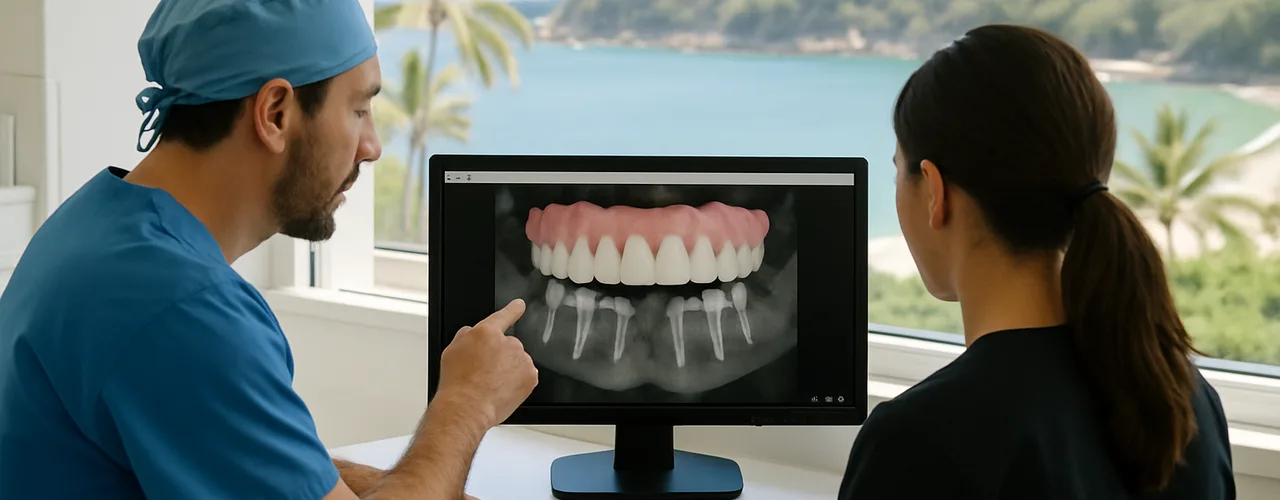
- Initial evaluation: health questionnaire, full dental exam and imaging, often including a CBCT 3D scan.
- Material compatibility testing: a blood serum test intended to identify which dental materials provoke the least immune reactivity for that patient. Read our guide to dental material biocompatibility testing.
- Removal sequence: Huggins proposed removing fillings in an order based on electrical readings of each filling and on specific time intervals.
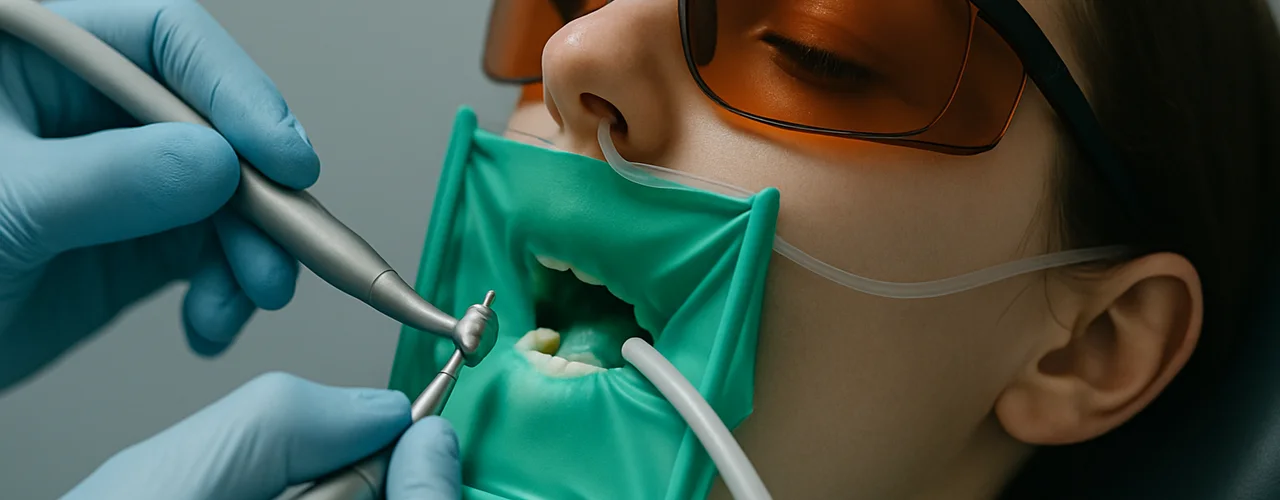
- Protective removal: rubber dam isolation, high-volume suction, cooling water, sectioning fillings in chunks, alternative air or oxygen for the patient, and protective barriers.
- Replacement with metal-free materials: composites, ceramics or ceramic inlays and onlays.
- Nutritional and supportive care: dietary guidance and sometimes supplements or IV therapies before and after.
- Other procedures: some versions also address root-canal-treated teeth and jawbone cavitations.
What is widely accepted, and what is not
| Component | Mainstream view |
|---|---|
| Protective measures during amalgam removal | Reducing mercury vapor and particle exposure is considered sensible; similar steps appear in the IAOMT SMART protocol and in many conventional practices. |
| Metal-free replacement materials | Composites and ceramics are standard, evidence-based restorations. |
| Serum compatibility testing | Not part of mainstream standards; predictive value is debated. |
| Electrical-reading removal sequence | Not supported by controlled research. |
| Claims that amalgams or root canals cause systemic disease | Not supported by current scientific consensus; the ADA, FDA and endodontic associations consider intact amalgams and properly treated root canals safe for most people. |
For context, the FDA in 2020 recommended that certain higher-risk groups (such as pregnant women, young children and people with kidney impairment) avoid new amalgam fillings when appropriate, but did not recommend removing amalgams in good condition. The European Union phased out most dental amalgam use from January 2025, largely for environmental reasons under the Minamata Convention on mercury.
Huggins Protocol vs the SMART protocol
The SMART protocol (Safe Mercury Amalgam Removal Technique) from the IAOMT focuses specifically on reducing exposure during removal: isolation, suction, filtration, protection for patient and staff. It does not include compatibility testing, sequencing or nutritional programs. Many biological clinics combine SMART-style removal with selected elements of the Huggins approach. Our guide to safe amalgam removal in Mexico covers the steps in detail.
A Tijuana clinic with a long Huggins history
American Biodental Center in Tijuana was founded in 1998 by Alessandro Porcella and worked in alliance with Dr. Huggins from 1999 to 2014. The clinic, part of the Holistic Care group, says it still follows the protocol it built over more than 25 years, alongside IAOMT-informed safe removal, CBCT imaging and an in-house lab. Prices it publishes include:
| Service | Published price (USD) | Typical US range (USD) |
|---|---|---|
| Amalgam removal (per tooth) | $100 | $100 - $300 |
| Composite filling | $80 | $150 - $350 |
| CBCT scan (one arch) | $140 | $250 - $600 |
| Exam | $40 | $75 - $200 |
For an overview of biological practices in the city, read our holistic dentist in Tijuana guide or browse the Tijuana dentist directory.
Questions to ask before choosing a Huggins-style clinic
- Which parts of the protocol do you follow, and which have you modified?
- What exact protective equipment is used during removal?
- Is compatibility testing required, optional, and what does it cost?
- Do you recommend removing intact fillings, or only failing ones? Why?
- Will you coordinate with my physician if I have a medical condition?
See also how to choose a biological dentist. Above all, consult your dentist and physician; no dental protocol should replace medical diagnosis or treatment.
What a typical visit looks like
Patients who travel for amalgam replacement under a Huggins-style or SMART protocol usually spend three to five days at the clinic. Day one is typically the consultation, exam and imaging, with a written plan and quote. Removal appointments follow, often grouped by quadrant, with each old filling replaced by a composite, inlay or onlay in the same session. Some clinics schedule rest time between quadrants, and many recommend avoiding strenuous activity and drinking plenty of water during the week.
Before you go, ask for the full schedule in writing, including which days involve anesthesia or sedation, so you can plan transport and someone to accompany you if needed. Bring a list of your medications and any recent lab work; a careful clinic will review them and coordinate with your physician when there is a medical condition involved.
Frequently asked questions
Is the Huggins Protocol scientifically proven?
Not as a whole. Protective removal measures are reasonable and widely used, but compatibility testing, electrical sequencing and claims about systemic disease are not supported by controlled scientific studies.
Will removing my amalgam fillings improve my health?
There is no reliable evidence that removing intact amalgams improves general health for most people, and removal itself releases some mercury vapor. Replacing fillings that are cracked, leaking or decayed is a separate, routine decision.
What is the difference between the Huggins and SMART protocols?
SMART, from the IAOMT, covers safety measures during amalgam removal. The Huggins approach adds compatibility testing, a removal sequence, nutritional support and sometimes other procedures.
How much does amalgam removal cost in Tijuana?
American Biodental Center publishes $100 per tooth for amalgam removal, plus the cost of the new restoration, such as $80 for a composite filling.
Was Dr. Huggins a licensed dentist?
He practiced as a licensed dentist in Colorado for decades, but the state dental board revoked his license in 1996. He continued teaching and consulting afterward.
Frequently Asked Questions
What is the Huggins Protocol?
Is the Huggins Protocol accepted by mainstream dentistry?
What should I ask a clinic that offers the Huggins Protocol?
Can I get the Huggins Protocol in Tijuana?
What are the risks of amalgam removal?
Questions this page answers
- what is the Huggins Protocol for amalgam removal
- is the Huggins Protocol safe and effective
- how does the Huggins Protocol work step by step
- Huggins Protocol dentist in Tijuana
- amalgam filling removal in Mexico
- mercury-free dentist in Tijuana
- dental material compatibility testing before fillings
- is amalgam removal in Mexico safe
- holistic dentist in Tijuana for Americans
- what to ask a dentist who offers the Huggins Protocol